
A visit to Sǿndre Vestfold fengsel, Larvik
As part of the Erasmus+ BRIDGE project, we visited Søndre Vestfold fengsel in Larvik, Norway. Together with a Dutch radio journalist and a researcher, I spent several hours inside this small-scale prison for young adult men aged eighteen to twenty-five. Our host was Frode Svendsen, managing coordinator of the facility and someone with many years of experience working with young people in detention.
The BRIDGE project explores how detention for young adults can be organised in ways that are more responsive to this specific stage of life. Young adults in detention often face challenges linked to identity formation, education, mental wellbeing, social belonging and transition into adulthood. Large-scale prisons frequently struggle to respond adequately to these needs.
Within this context, discussions around detention houses become increasingly relevant. Detention houses are small-scale, differentiated and community-integrated. The emphasis is placed on relationships, guidance, participation and reintegration rather than isolation and institutional distance. They are based on the idea that detention should not unnecessarily disconnect people from society, particularly during this formative stage of life.
Søndre Vestfold fengsel, Larvik unit is not formally organised as a detention house. It remains a closed and relatively high-security prison setting. Yet the visit demonstrated how the three core principles of detention houses can also be applied within high-security detention facilities.
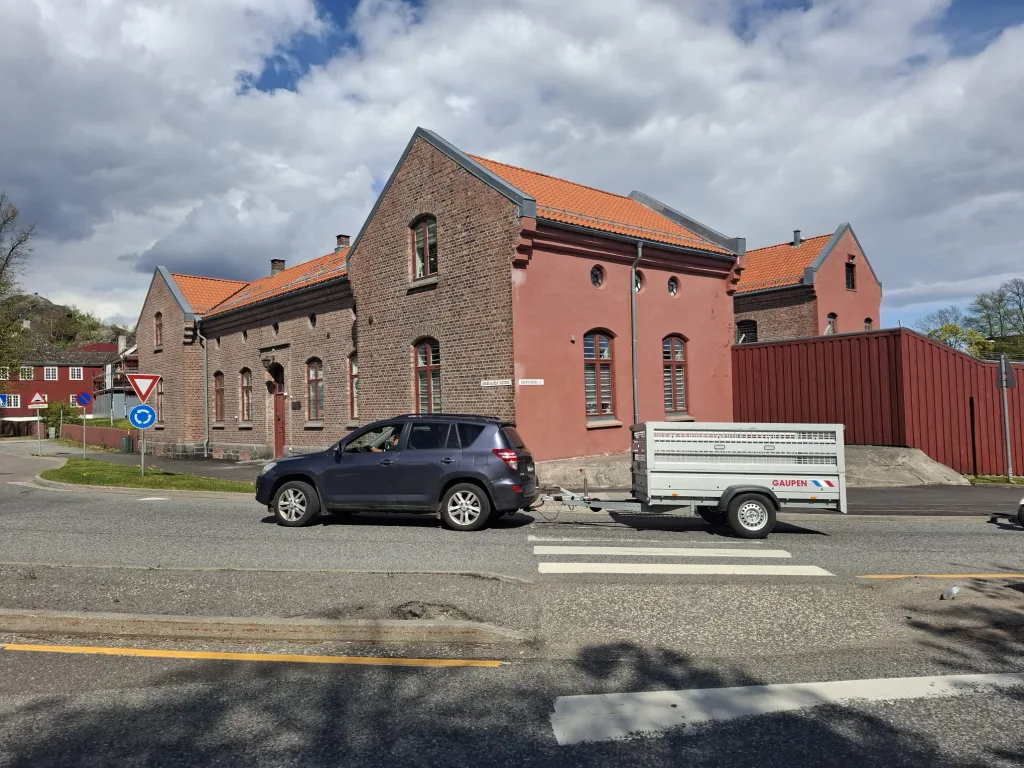
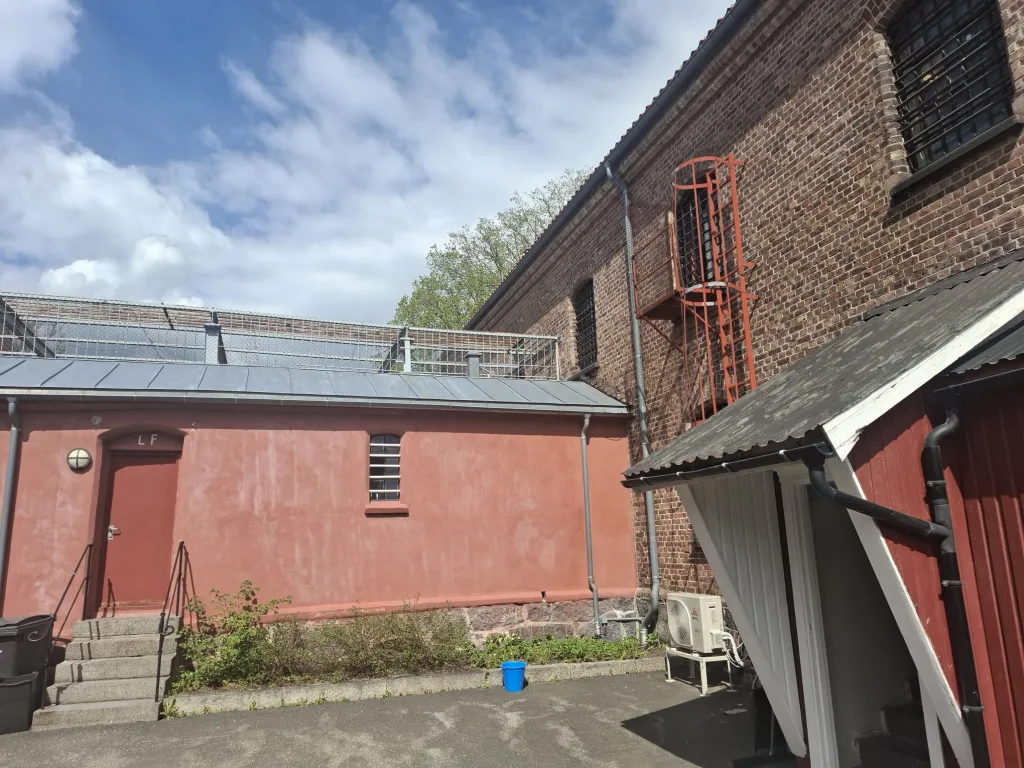
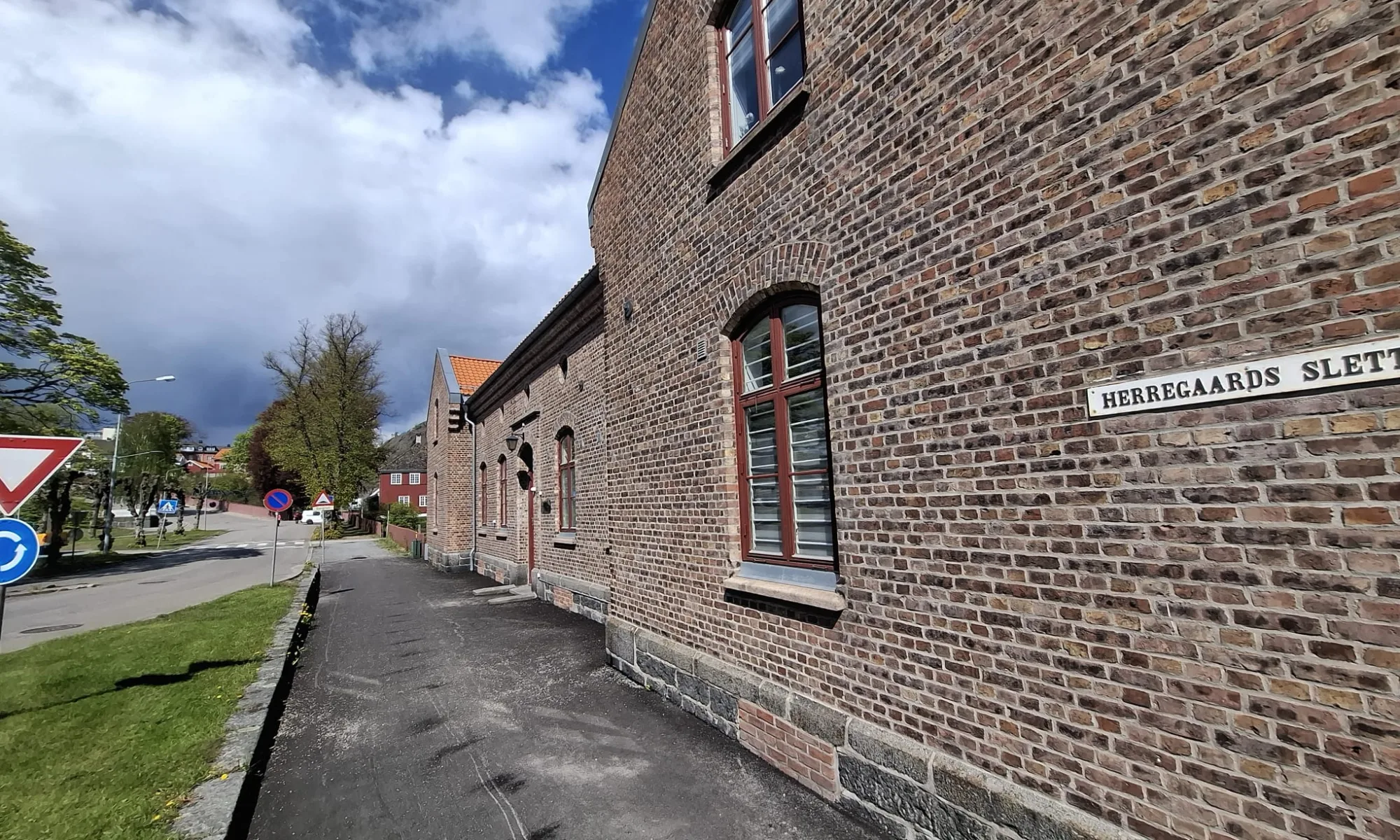
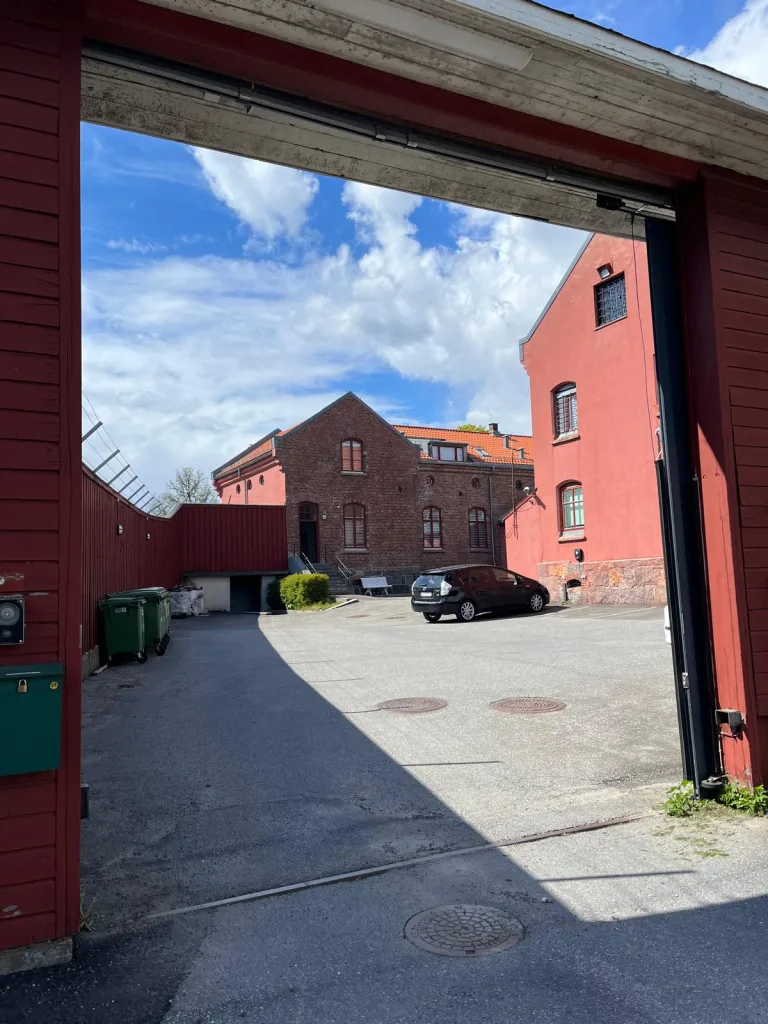
Larvik accommodates a maximum of fifteen young adults and is located close to the centre of the city. At the time of our visit, the average age was 21.3 years. The prison building itself dates back to 1862 and still reflects the architecture of a traditional prison. The robust but refurbished cells and classical gangways clearly belong to another era. Nevertheless, the atmosphere and daily practice inside the unit differ considerably from what one would usually associate with a traditional high-security prison.
The approach inside the prison is strongly relationship-based. Each young person is supported individually by a contact officer and daily interaction between staff and residents is characterised by proximity, communication and trust. Some staff members wear uniforms, while others do not, but the overall atmosphere remains informal and communicative. During our visit, it became clear that relational security is not seen as separate from safety, but as an essential part of it.
During the visit, an interesting discussion emerged around the question of whether Larvik could be described as a detention house. Because of its closed character and relatively strict security framework, we would rather describe it as a small-scale prison. At the same time, several aspects of the daily practice strongly resonate with principles often associated with detention houses: the small scale, the relational approach, the individual support structure and the continued emphasis on participation and community connection.
We met two of the fifteen young men residing in the prison, they both spoke positively about the staff, the atmosphere and the opportunities available to them. Young men can spend between ten and twelve hours outside their cells each day. After lunch, they briefly return to their rooms for around fifteen minutes without being locked in. This moment is deliberately organised to create some rest and distance from continuous group interaction and stimulation.
Many daily activities take place in a communal living area in the annex building. Access to this space is organised together with staff members, reinforcing the importance of interaction and guidance in the daily regime. There is also a well-equipped kitchen where one of the staff members, who is also a teacher, regularly cooks together with the young men.
Education and daily activities are an important part of the regime. Most young men attend school activities inside the prison and some participate in higher education. Other activities include stress and anger management, group meetings and physical exercise.
Like many detention settings across Europe, Larvik has also seen increasing challenges related to trauma, mental health and psychological vulnerability among young people in detention. The small scale of the prison and the one-to-one approach appear to create more room for individual responsiveness and adaptation to these changing needs.


An interesting example is the toolbox “Play it Right”, originally developed for work with sex offenders but now used more broadly to create conversations around gender equality, sexuality and sexual development. Norway’s “import model” also means that healthcare and psychological services are delivered by external services rather than by the prison administration itself.
What stood out most during the visit was the continued connection with the outside community. Some young men are allowed to participate in sports and leisure activities outside the prison together with their contact officer. There are also interactions with local volunteers and opportunities for young men to contribute to community initiatives.
These practices may appear modest, but they reflect a broader understanding of detention: one in which security and community connection are not necessarily opposites. Particularly for young adults, maintaining links with society can play an important role in supporting development and preventing further social exclusion.
The visit to Larvik does not provide a perfect blueprint, nor does it eliminate the tensions that exist within secure detention. However, it does demonstrate how small-scale approaches, relational practices and community connection can create a different experience of detention for young adults.
Even within a high-security detention facility, Larvik demonstrates how detention can be organised around relationships, responsibility and continued connection with society. It raises an important question for European detention systems: not only how young adults are detained, but what detention should ultimately achieve during this formative stage of life.

About the BRIDGE Project: BRIDGE is a one-year (oct 2025 – oct 2026) European collaboration led by RESCALED, together with Restorative Justice Nederland and Richtungswechsel Austria, supported by vzw De Huizen. The project explores detention houses for young adults aged 18–25, focusing on education, responsibility, growth and community integration.
Click here to learn more.

Co-funded by the European Union. Views and opinions expressed are however those of the author(s) only and do not necessarily reflect those of the European Union or the European Commission. Neither the European Union nor the European Commission can be held responsible for them.