
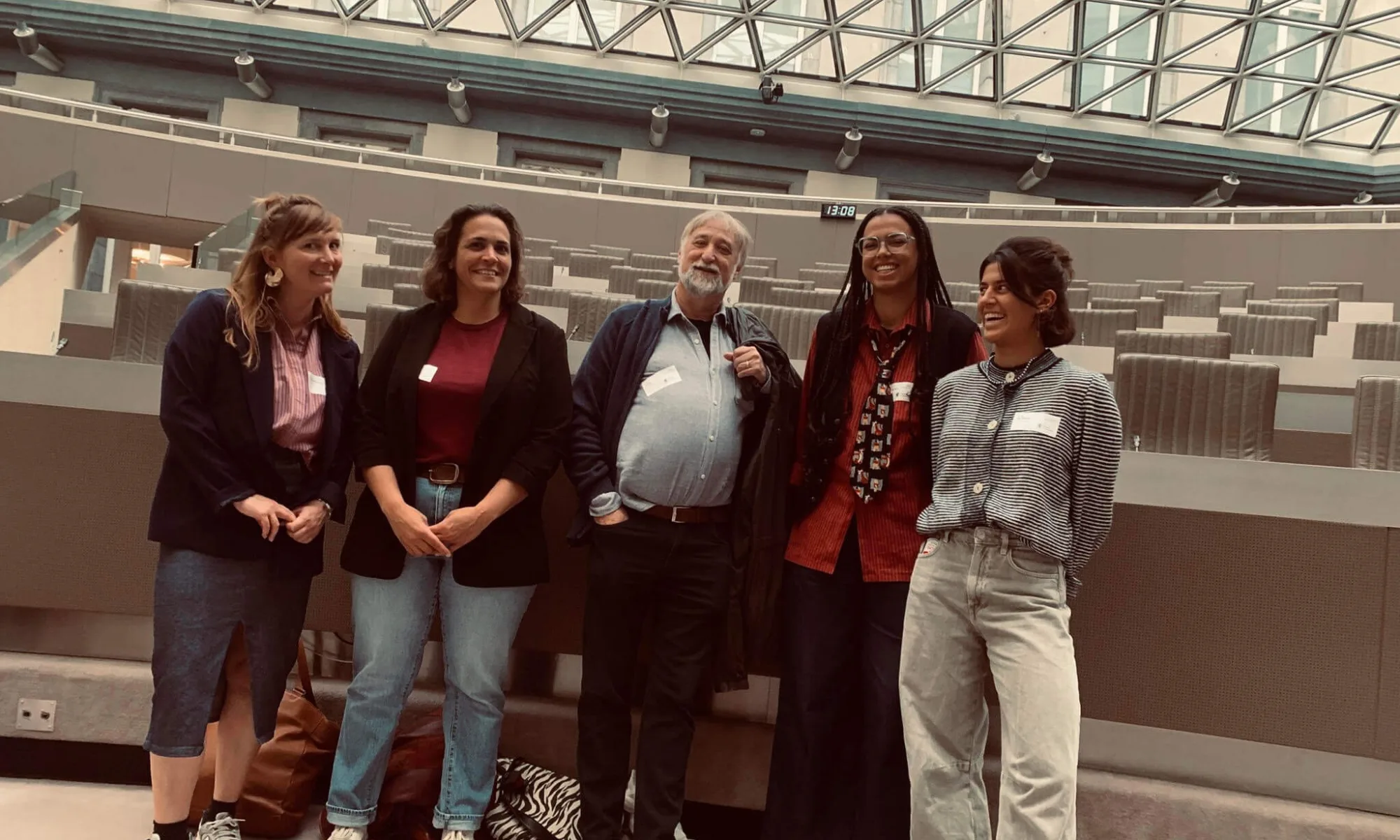
One year ago, the ERASMUS+ BRIDGE project (Building Responsibility and Inclusion through Detention Houses for Youngsters to Support Growth and Education) brought together partners from across Europe around one central question: How can we better address the specific needs of young adults in detention aged 18 to 25?
To put the scale of the issue into perspective: more than 120,000 young adults between the ages of 18 and 25 are currently detained across Europe. In Belgium, the figure stood at 1,742 young adults aged 18 to 25 detained as of January 2026.
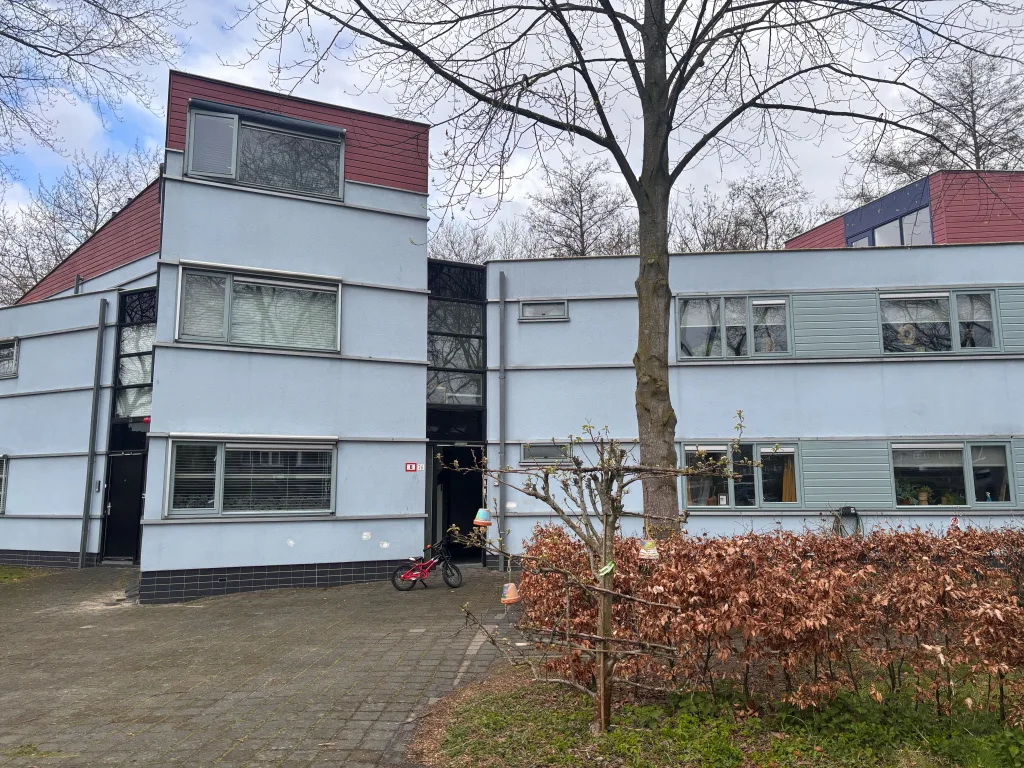
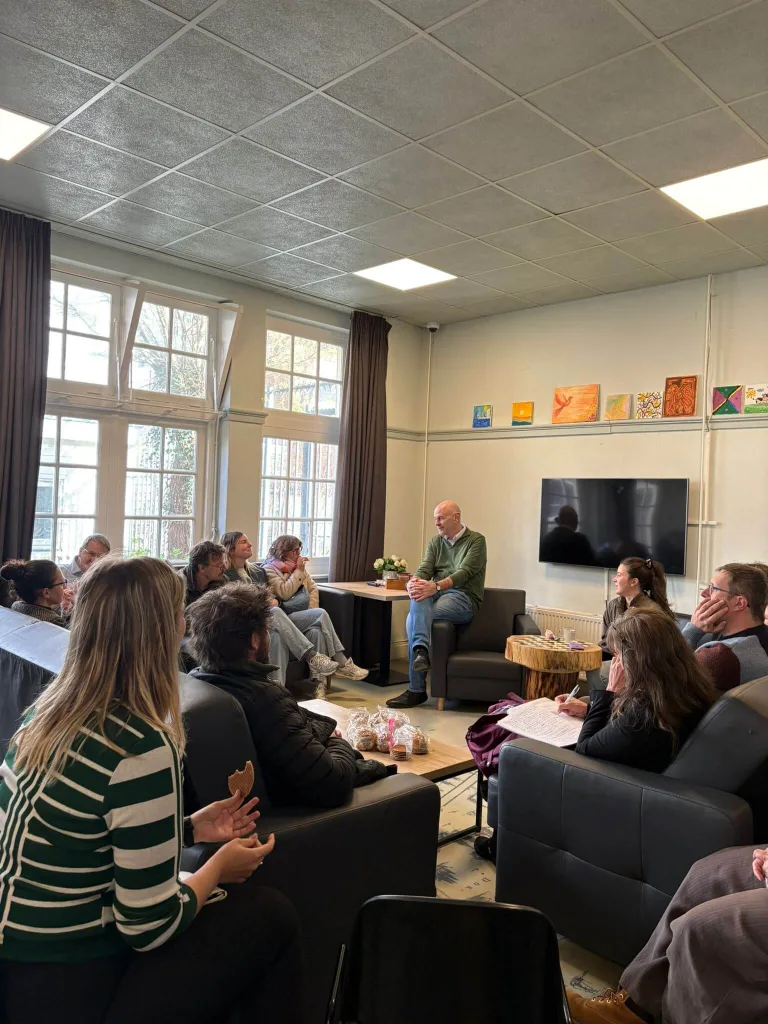
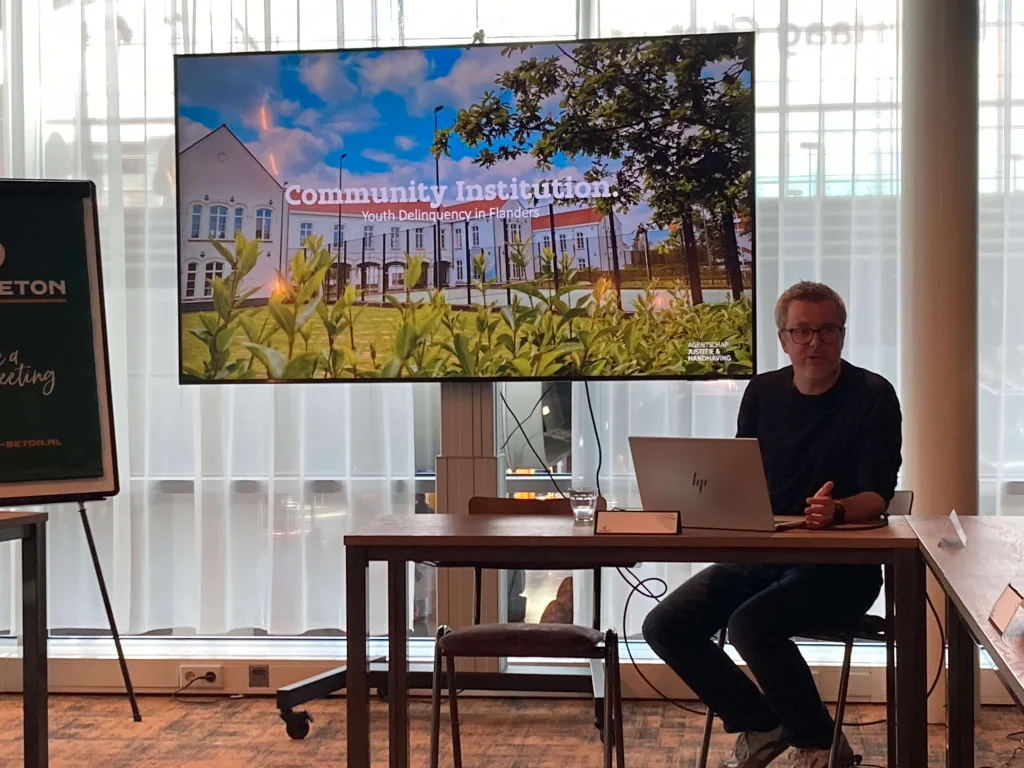
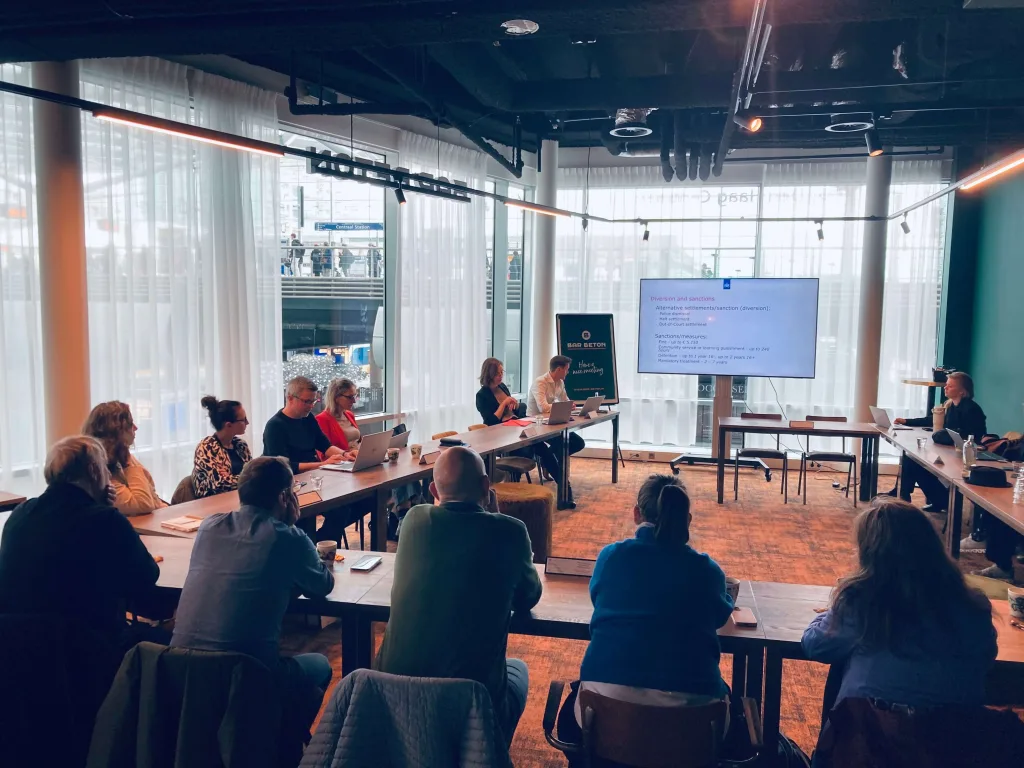
De Huizen vzw participated in the project as one of the partners. Together with European colleagues, we exchanged knowledge, visited inspiring initiatives, and explored how detention houses can provide greater opportunities for personal development, responsibility, and reintegration. Among the sites we visited were the small-scale detention houses for young adults (KVJJs) in Amsterdam and Rijnmond, Exodus Amsterdam, and the residential project De Tafelberg.
During these visits, we observed how small living groups, strong relationships between staff and residents, shared daily responsibilities, and close connections with the local community contribute not only to the development of young adults but also to a safe and positive detention environment. We saw how conflicts are primarily resolved through dialogue rather than isolation, how local residents volunteer as “good neighbours” for young detainees, and how former closed institutions have been transformed into open residential settings where autonomy and responsibility are central. These practical experiences became an important source of inspiration for our further reflections within the BRIDGE project.
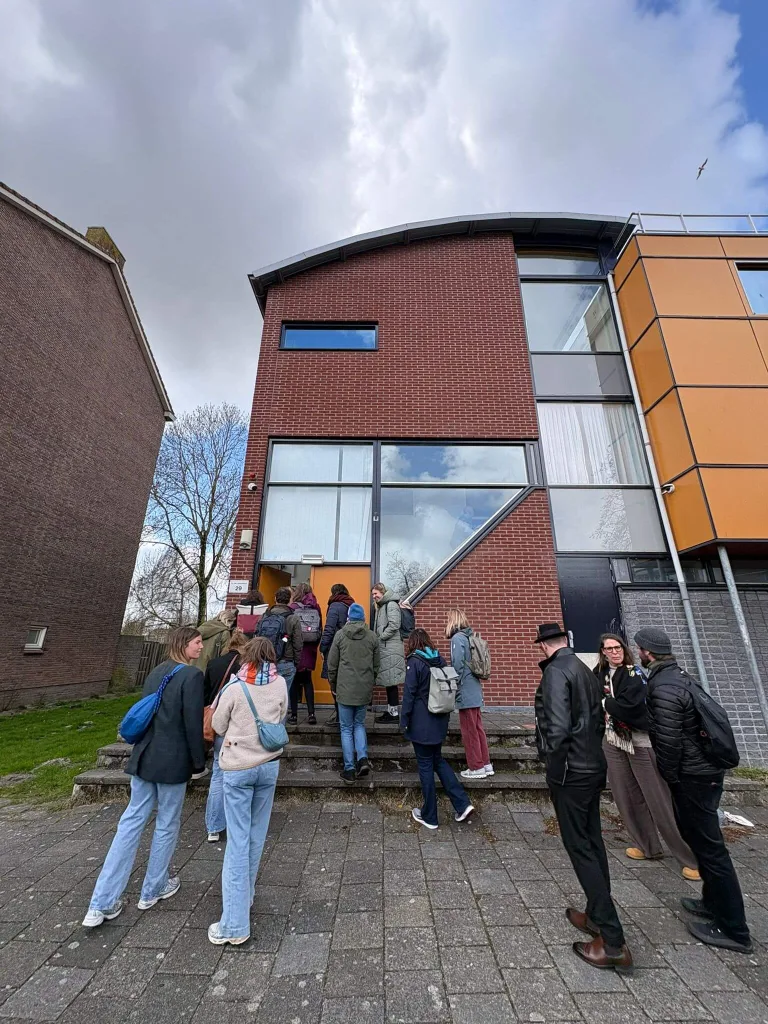
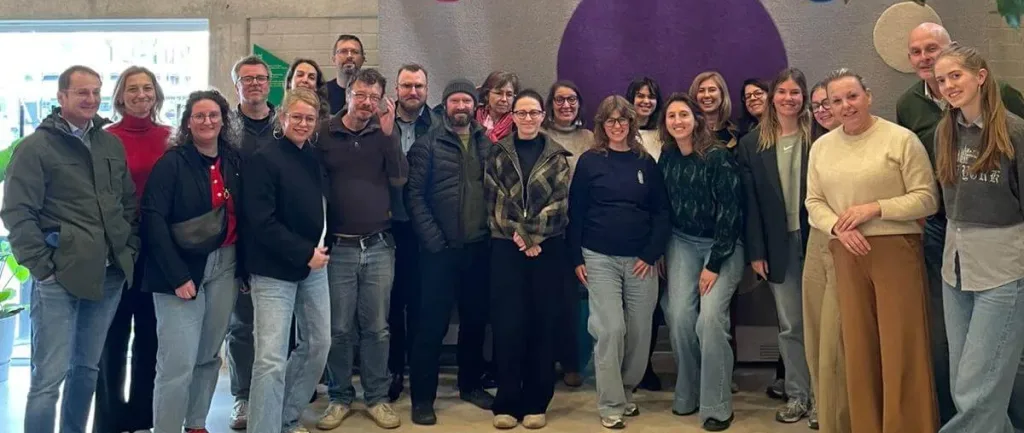
An increasing body of scientific research also confirms that this stage of life requires a distinct approach. Young adults are still developing cognitively, emotionally, and socially. They are generally more receptive to guidance, education, and positive role models, while at the same time being more vulnerable to the harmful effects of traditional prison environments. Across Europe, this growing body of evidence is encouraging policymakers and practitioners to develop detention models that are small-scale, community-based, and focused on responsibility, personal development, and successful reintegration.
A changing policy landscape
Belgium now finds itself at an important turning point. Unlike several other European countries, Belgium does not yet recognise young adults as a separate legal category within its criminal justice system. From the age of eighteen onwards, they fall under the general criminal law applicable to adults.
Nevertheless, important foundations have been laid in recent years. Through their inclusion in the Basic Act on the Prison System, detention houses have evolved from pilot projects into a structural component of the Belgian detention landscape. Transition houses have also received a clear legal framework, providing a sustainable basis for the further development of small-scale detention. In addition, the continued development of the juvenile justice system reflects the growing recognition that psychological and neurological development does not simply stop at the age of eighteen. Together, these reforms demonstrate a clear shift in thinking: towards greater differentiation, more tailor-made approaches, and increased attention to personal development.
Political momentum
This evolution gained further momentum in 2026. The Flemish Government announced additional investments in small-scale and alternative forms of detention and guidance. Shortly afterwards, the National Preventive Mechanism confirmed, in its evaluation of the detention houses in Forest and Kortrijk, the added value of small-scale detention, highlighting human dignity, strong interpersonal relationships, and reintegration as key strengths.
The new federal coalition agreement goes one step further by explicitly expressing, for the first time, the ambition to further differentiate detention houses for specific target groups, including young adults.
From policy to practice
Belgium currently has three detention houses and five transition houses. Although both are part of the country’s move towards a more differentiated and small-scale detention system, they fulfil distinct roles.
In Belgium, detention houses are small-scale facilities where individuals serving prison sentences of up to three years and presenting a low security risk serve their sentences. Residents live in small groups of approximately 20 to 60 people and receive intensive, individualised support. The emphasis lies on responsibility, independence, and successful reintegration. Residents are expected to actively prepare for their return to society by contributing to household tasks, seeking or maintaining employment, volunteering, participating in education or training, and managing their administrative responsibilities. Because detention houses are generally located within urban communities, residents are able to maintain stronger links with society throughout their detention. Individuals convicted of offences such as sexual crimes or terrorism are not eligible for placement in a detention house.
Transition houses, by contrast, accommodate people transferred from traditional prisons to serve the final part of their sentence. Here too, intensive guidance is provided with the aim of ensuring a successful return to society.
Belgium continues to invest in expanding this network. Against this backdrop, the opening of the new detention house in Genk represents more than simply the addition of another facility. It illustrates that the vision of small-scale detention is steadily becoming reality. Publicly available information also indicates that part of its capacity will be reserved for a specific target group, although no final decision has yet been made regarding which group that will be.
From the perspective of the BRIDGE project, this represents an important opportunity. We hope that young adults will become one of the target groups for whom dedicated detention houses are developed. International practice, scientific research, and the exchange of knowledge within BRIDGE consistently point in the same direction: young adults benefit from an approach that takes account of their developmental stage, strengthens their social networks, and prepares them for a successful return to society. Such an approach not only offers better prospects for the young person but also contributes to a safer society by reducing the likelihood of reoffending.
Building the next bridge
Belgium does not yet have dedicated detention houses for young adults. However, the conditions to make them possible are increasingly falling into place. The legal foundations, reforms in juvenile justice, positive evaluations of detention houses, political ambitions, and the continued expansion of new facilities all demonstrate that the groundwork has been laid.
European cooperation is not an end in itself. Its real value lies in translating scientific research, practical experience, and international expertise into better policies and better detention practices.
The bridge between juvenile justice and adult detention has not yet been fully built. But its foundations are now firmly in place. The next step is to build upon them by developing a detention model for young adults that combines responsibility with opportunity, personal development, and sustainable reintegration.
About the BRIDGE Project: BRIDGE is a one-year (oct 2025 – oct 2026) European collaboration led by RESCALED, together with Restorative Justice Nederland and Richtungswechsel Austria, supported by vzw De Huizen. The project explores detention houses for young adults aged 18–25, focusing on education, responsibility, growth and community integration. Click here to learn more.

Co-funded by the European Union. Views and opinions expressed are however those of the author(s) only and do not necessarily reflect those of the European Union or the European Commission. Neither the European Union nor the European Commission can be held responsible for them.