From Vision to Progress: Belgium’s Next Steps Towards Dedicated Detention Houses for Young Adults

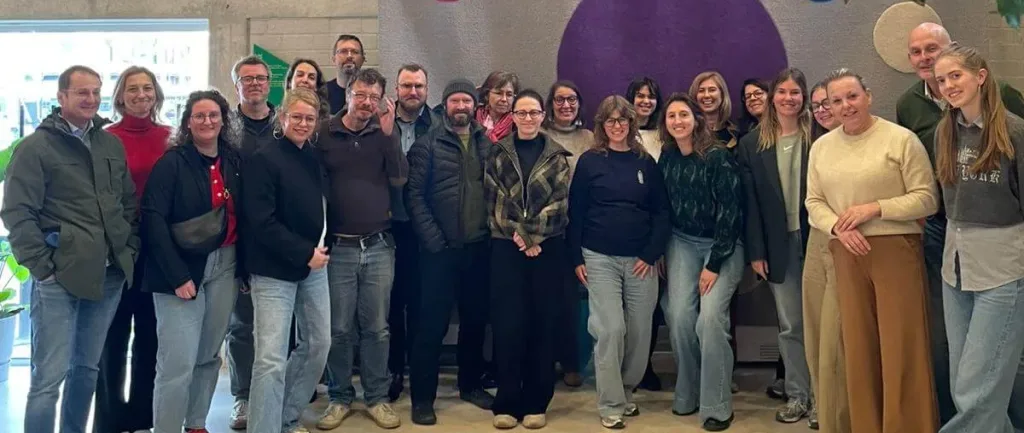
One year ago, the ERASMUS+ BRIDGE project (Building Responsibility and Inclusion through Detention Houses for Youngsters to Support Growth and Education) brought together partners from across Europe around one central question: How can we better address the specific needs of young adults in detention aged 18 to 25?

To put the scale of the issue into perspective: more than 120,000 young adults between the ages of 18 and 25 are currently detained across Europe. In Belgium, the figure stood at 1,742 young adults aged 18 to 25 detained as of January 2026.

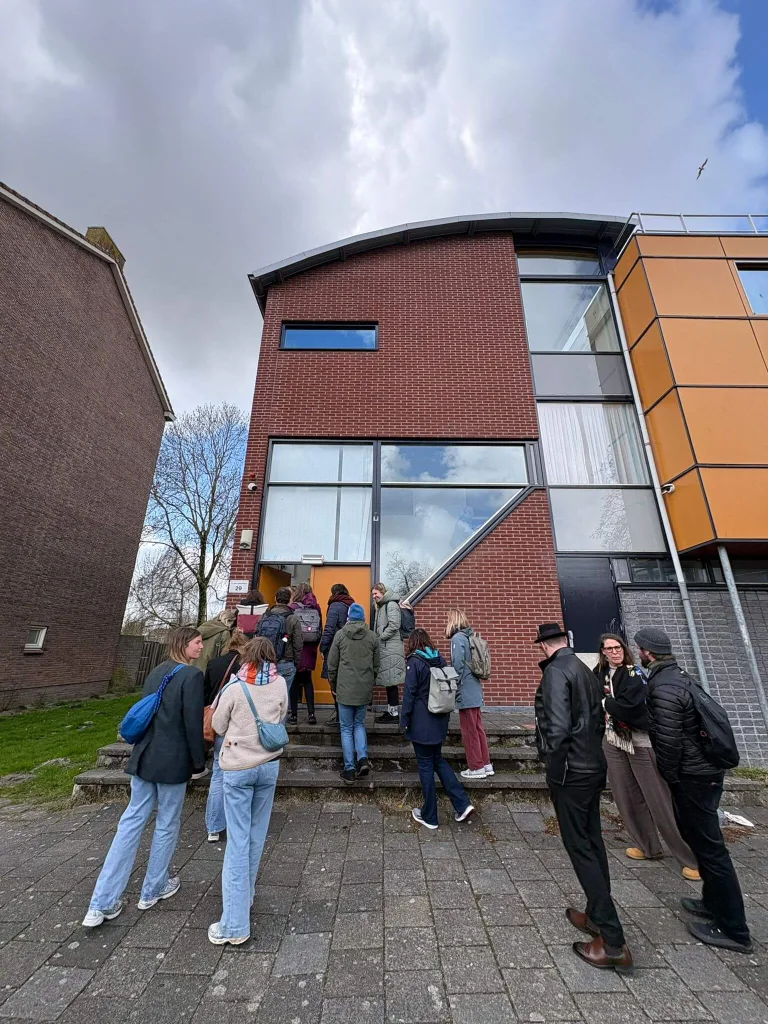
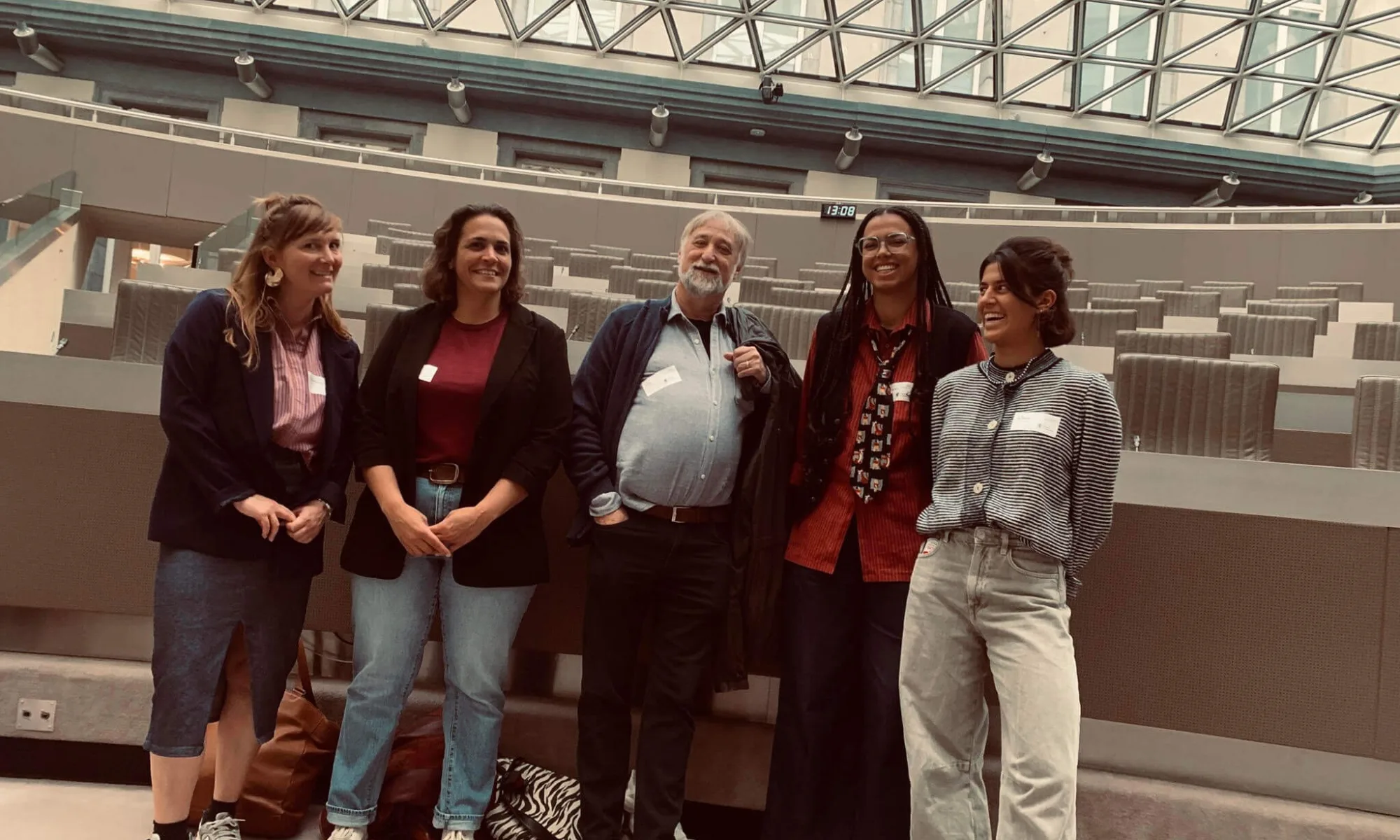
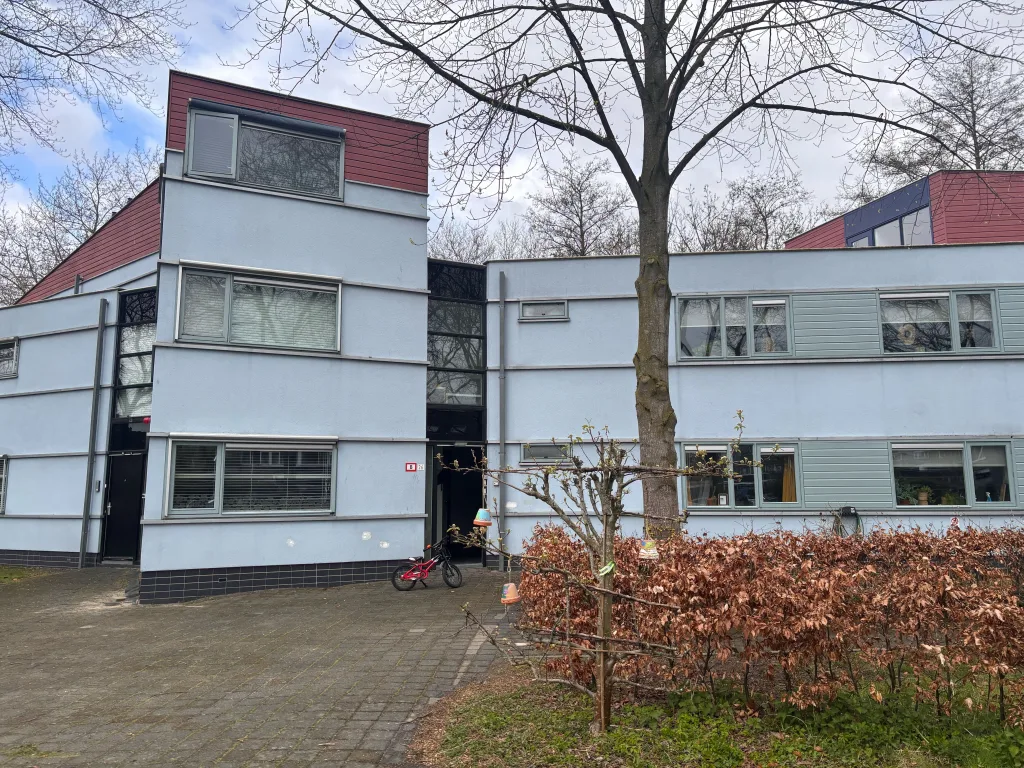
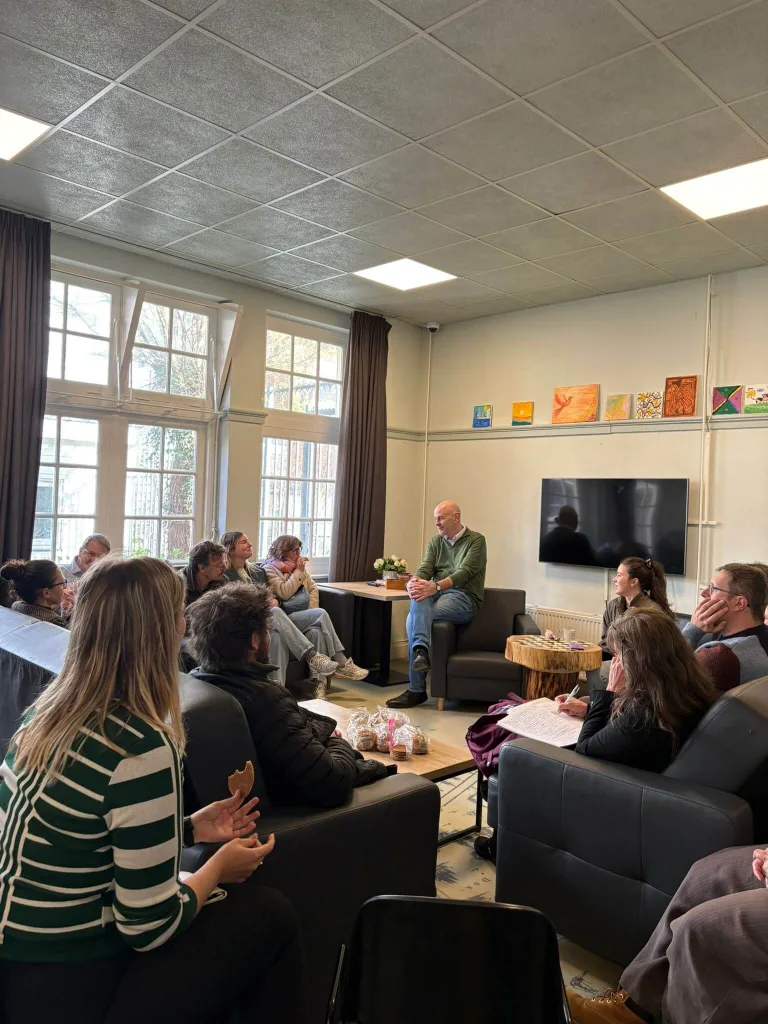
De Huizen vzw participated in the project as one of the partners. Together with European colleagues, we exchanged knowledge, visited inspiring initiatives, and explored how detention houses can provide greater opportunities for personal development, responsibility, and reintegration. Among the sites we visited were the small-scale detention houses for young adults (KVJJs) in Amsterdam and Rijnmond, Exodus Amsterdam, and the residential project De Tafelberg.

During these visits, we observed how small living groups, strong relationships between staff and residents, shared daily responsibilities, and close connections with the local community contribute not only to the development of young adults but also to a safe and positive detention environment. We saw how conflicts are primarily resolved through dialogue rather than isolation, how local residents volunteer as “good neighbours” for young detainees, and how former closed institutions have been transformed into open residential settings where autonomy and responsibility are central. These practical experiences became an important source of inspiration for our further reflections within the BRIDGE project.
An increasing body of scientific research also confirms that this stage of life requires a distinct approach. Young adults are still developing cognitively, emotionally, and socially. They are generally more receptive to guidance, education, and positive role models, while at the same time being more vulnerable to the harmful effects of traditional prison environments. Across Europe, this growing body of evidence is encouraging policymakers and practitioners to develop detention models that are small-scale, community-based, and focused on responsibility, personal development, and successful reintegration.

A changing policy landscape

Belgium now finds itself at an important turning point. Unlike several other European countries, Belgium does not yet recognise young adults as a separate legal category within its criminal justice system. From the age of eighteen onwards, they fall under the general criminal law applicable to adults.

Nevertheless, important foundations have been laid in recent years. Through their inclusion in the Basic Act on the Prison System, detention houses have evolved from pilot projects into a structural component of the Belgian detention landscape. Transition houses have also received a clear legal framework, providing a sustainable basis for the further development of small-scale detention. In addition, the continued development of the juvenile justice system reflects the growing recognition that psychological and neurological development does not simply stop at the age of eighteen. Together, these reforms demonstrate a clear shift in thinking: towards greater differentiation, more tailor-made approaches, and increased attention to personal development.

Political momentum

This evolution gained further momentum in 2026. The Flemish Government announced additional investments in small-scale and alternative forms of detention and guidance. Shortly afterwards, the National Preventive Mechanism confirmed, in its evaluation of the detention houses in Forest and Kortrijk, the added value of small-scale detention, highlighting human dignity, strong interpersonal relationships, and reintegration as key strengths.

The new federal coalition agreement goes one step further by explicitly expressing, for the first time, the ambition to further differentiate detention houses for specific target groups, including young adults.

From policy to practice

Belgium currently has three detention houses and five transition houses. Although both are part of the country’s move towards a more differentiated and small-scale detention system, they fulfil distinct roles.

In Belgium, detention houses are small-scale facilities where individuals serving prison sentences of up to three years and presenting a low security risk serve their sentences. Residents live in small groups of approximately 20 to 60 people and receive intensive, individualised support. The emphasis lies on responsibility, independence, and successful reintegration. Residents are expected to actively prepare for their return to society by contributing to household tasks, seeking or maintaining employment, volunteering, participating in education or training, and managing their administrative responsibilities. Because detention houses are generally located within urban communities, residents are able to maintain stronger links with society throughout their detention. Individuals convicted of offences such as sexual crimes or terrorism are not eligible for placement in a detention house.

Transition houses, by contrast, accommodate people transferred from traditional prisons to serve the final part of their sentence. Here too, intensive guidance is provided with the aim of ensuring a successful return to society.
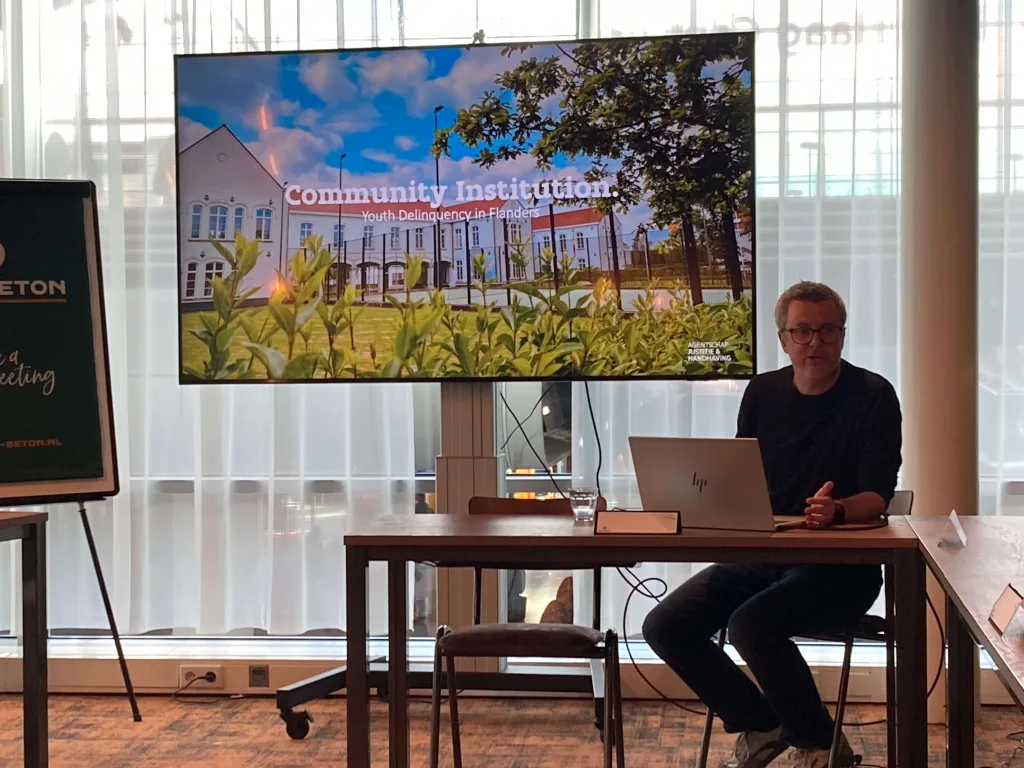
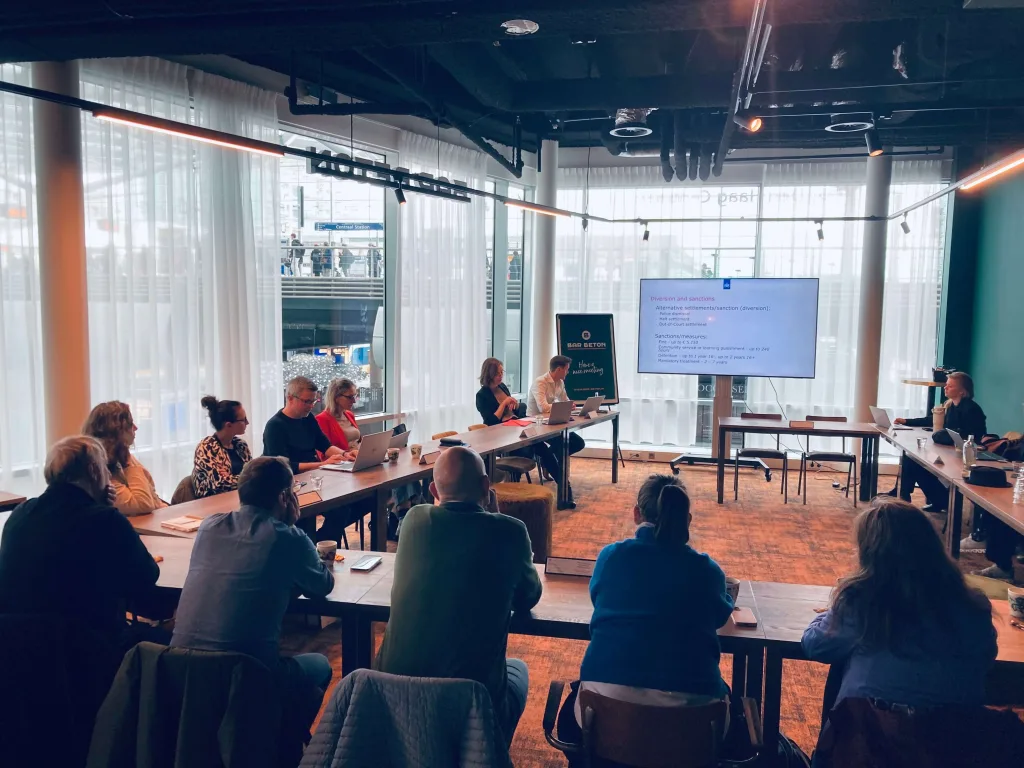
Belgium continues to invest in expanding this network. Against this backdrop, the opening of the new detention house in Genk represents more than simply the addition of another facility. It illustrates that the vision of small-scale detention is steadily becoming reality. Publicly available information also indicates that part of its capacity will be reserved for a specific target group, although no final decision has yet been made regarding which group that will be.

From the perspective of the BRIDGE project, this represents an important opportunity. We hope that young adults will become one of the target groups for whom dedicated detention houses are developed. International practice, scientific research, and the exchange of knowledge within BRIDGE consistently point in the same direction: young adults benefit from an approach that takes account of their developmental stage, strengthens their social networks, and prepares them for a successful return to society. Such an approach not only offers better prospects for the young person but also contributes to a safer society by reducing the likelihood of reoffending.

Building the next bridge

Belgium does not yet have dedicated detention houses for young adults. However, the conditions to make them possible are increasingly falling into place. The legal foundations, reforms in juvenile justice, positive evaluations of detention houses, political ambitions, and the continued expansion of new facilities all demonstrate that the groundwork has been laid.

European cooperation is not an end in itself. Its real value lies in translating scientific research, practical experience, and international expertise into better policies and better detention practices.

The bridge between juvenile justice and adult detention has not yet been fully built. But its foundations are now firmly in place. The next step is to build upon them by developing a detention model for young adults that combines responsibility with opportunity, personal development, and sustainable reintegration.
About the BRIDGE Project: BRIDGE is a one-year (oct 2025 – oct 2026) European collaboration led by RESCALED, together with Restorative Justice Nederland and Richtungswechsel Austria, supported by vzw De Huizen. The project explores detention houses for young adults aged 18–25, focusing on education, responsibility, growth and community integration. Click here to learn more.

Co-funded by the European Union. Views and opinions expressed are however those of the author(s) only and do not necessarily reflect those of the European Union or the European Commission. Neither the European Union nor the European Commission can be held responsible for them.

Incarcerated students are also students: Challenges and solutions from a practical perspective

All people have the right to education. This human right is also enshrined in international human rights instruments for incarcerated people (see for example the Nelson Mandela Rules 104-108). International research shows that prison-based education reduces recidivism.[1] The main explanation for this observation is that prison education enhances the chance of employment after release.[2] Moreover, by strengthening the intellectual, cognitive, and life skills of incarcerated people, prison education can help lower some “natural” barriers to positive community reintegration.[3] As an education coordinator in two Belgian prisons, it is my job to provide incarcerated people with the same education opportunities as people outside prison.

Prison education in Belgium

A fundamental tenet of the Belgian prison system is the normalization principle. This principle entails that the living conditions in Belgian prisons should resemble those in society as closely as possible. Therefore, people’s right to education remains crucial, despite the deprivation of liberty. In practical terms, incarcerated people must be given the same opportunities as other people in society when it comes to their education needs. The Belgian legislator is convinced that bridging the gap between inside and outside, through the provision of a differentiated range of social assistance and services, of which education is an important aspect, will ensure a better reintegration into society, and reduce the risk of recidivism.

Challenges education within prison walls

Nevertheless, the practical organisation of prison-based education is complex. This is partly due to the complex political structure of Belgium. Whilst the federal government is responsible for the execution of sentences, education is a Flemish competence (both inside and outside prison). This means that the many important factors and preconditions for good education are to be provided by the federal prison administration (DG EPI): suitable infrastructure and classrooms, sufficient prison officers so that activities can be organized smoothly, no overcrowding that hampers the good management of the prison, the daily regime in which education can have a place, etc.

Another challenge for prison-based education is that the overall prison population is very diverse in terms of demographic background and (educational) needs. Especially in larger prisons. This diversity makes it very difficult to tailor the offer of group-based prison education to the specific learning needs of each individual. The inevitable consequence is that the offer of education programmes is rather static, and certain individuals will feel let out, despite the best intentions to provide a wide range of educational programmes. In other words, the size, design, and management of large prison institutions make it difficult to individualize the offer and meet everyone’s needs.

Even more importantly, incarcerated people do not have access to the internet. They can only use legally permitted means of communication (art. 65 of the Belgian Prison Act). As a result, incarcerated people are not only physically and socially, but also digitally secluded from society.[4] Digital poverty is one of the most poignant problems of the 21 century. Not only within the prison system but also in society at large. For most of us, a life without the internet is unimaginable. The internet is intertwined with our everyday lives. For the most basic things like making an appointment with the bank or buying a bus ticket, we need internet. In addition, many social services, such as remote learning, are only accessible online and thus, unfortunately, not available for persons incarcerated in Belgian prisons.

If we don’t teach incarcerated people how to use these digital tools – in the same way as people outside prison – they risk missing the boat again upon release.[5] Enabling digital access and strengthening digital skills should not be an issue in detention, but should be self-evident.

Corona crisis as a catalyst for digital developments

Last year, the corona crisis exposed the challenges related to the lack of digitization within the prison walls. The country went into lockdown and incarcerated people were secluded from society even more than usual. No visitors were allowed and almost all social workers were forced to work from home for a certain period. But this crisis has also enabled us to gain momentum. The justice department recognised the importance of digitization, and took action. It was acknowledged that the reintegration of incarcerated people in a rapidly evolving society will be more successful if these changes are anticipated. Two actions were taken. First, the justice department started using Webex (inside and outside prisons), which is a digital tool that enables incarcerated people to make video calls to their family. Second, a working group was established to investigate how to respond to today’s digital needs in the field of prison-based education.[6]

As a practitioner involved in prison-based education, I see improvements and the efforts made. But things are moving slowly… too slowly. The basic question remains whether the prison system will ever catch up, as long as it tries to fit new ideas and new developments from a rapidly developing society into an old prison concept. The prison concept wants to evolve … but continues to face challenges while trying.

Creating the right context for education

Everyone who has ever visited a prison in Belgium, will have seen that the buildings are literally not made for organizing high-quality education. Incarcerated students are supposed to get the same education opportunities as students outside prison, which nowadays involves many digital tools. This is difficult if not impossible in too little and small classrooms, outdated equipment and a strict daily regime. We literally hit the wall while trying.

Why not approach these issues from another perspective? What if we change the context instead? Let’s imagine that we could do our work in small-scale, differentiated and community-integrated detention houses.

First, let’s start from the individual. Good education requires an individualized approach for each person. This is easier in a small-scale context. I work in two Belgian prisons with a different scale, one for about 50 people and one for about 120 people, and notice this difference in my everyday work. In the smaller facility, I know more incarcerated persons by their name, character and their specific needs. This also works in the other direction: they reach out to me more easily, because they know me better.

Second, detention houses that differ from each other, can have their own policies in terms of access to digital tools and internet. In so doing, it does no longer make sense to deny all incarcerated people access to the internet because a few might abuse this access. Some detention houses will have a more liberal policy than others, but as a general rule, all detention houses should have access to the internet. We are living in the 21st century, also in detention.

The differentiation must not only be based on security levels or restrictions, but also consider the content. What do you think of a detention house that focuses specifically a high school diploma? Or on workplace learning and an internship in the community? By working in a differentiated or individualized way, people learn how to deal with freedom and responsibilities, step by step. Taking responsibility also means arranging appointments with community services (such as a school), scheduling meetings and making video calls. Of course, with the support that is necessary. In other words, by differentiating, we would enable self-development.

Third, we must use the services that the community has to offer. This is also done in the current prisons, but as explained above, this is challenging. In practice, we adapt incarcerated student’s learning questions to the limited prison-based educational programmes, instead of using the full range of programmes available in society. Bridging the gap with the regular education system would be easier in a detention house. In detention houses with a higher security level, we can focus on remote learning. Online access to the school’s learning platforms is enough to start a trajectory. But there are other options: the detention house might share a classroom with a school in the neighbourhood (shared spaces) or teaching activities can be organized for mixed groups with incarcerated and other students, which is not exceptional in Belgium (even in closed prisons).

If the old prison concept, designed for individual confinement, isolation and (religious) reflection, cannot simply be given a new purpose, isn’t it time then to evolve towards a detention concept genuinely fit for the 21st century?

[1] Kim, Ryang & Clark, David. (2013). The effect of prison-based college education programs on recidivism: Propensity Score Matching approach. Journal of Criminal Justice. 41. 196–204. 10.1016/j.jcrimjus.2013.03.001.
[2] Cho, R. M., & Tyler, J. H. (2013). Does Prison-Based Adult Basic Education Improve Postrelease Outcomes for Male Prisoners in Florida? Crime & Delinquency, 59(7), 975–1005.
[3] Fabelo, T. (2002). The Impact of Prison Education on Community Reintegration of Inmates: The Texas Case. Journal of Correctional Education, 53(3), 106-110. Retrieved March 10, 2021.
[4] Beyens, K. Robberechts, J. & Vanhouche A.-S. (2020). De coronacrisis als momentum voor het gevangenis? Panopticon, 41(4), 365-372
[5] Director general of the Belgian prison system, Rudy Van De Voorde, 2021.
[6] De gevangenis wordt een digitale omgeving.