Transforming youth justice through dedicated and innovative work: Lessons from Dutch detention houses

Transforming justice systems requires more than policy reform: it demands courage, vision, and the willingness to challenge long-established assumptions. Across Europe, organisations and practitioners are demonstrating that meaningful change is not a distant aspiration but an achievable reality. By placing relationships, trust, and human dignity at the centre of justice practices, they are creating environments that support growth instead of punishment and opportunity instead of exclusion.

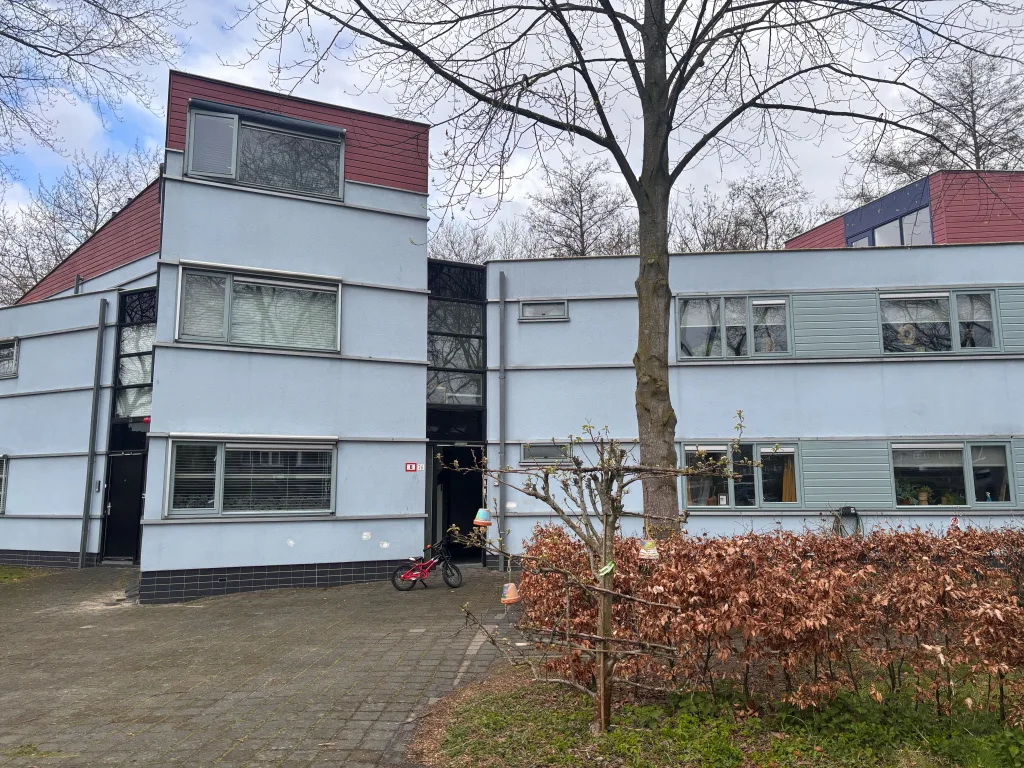
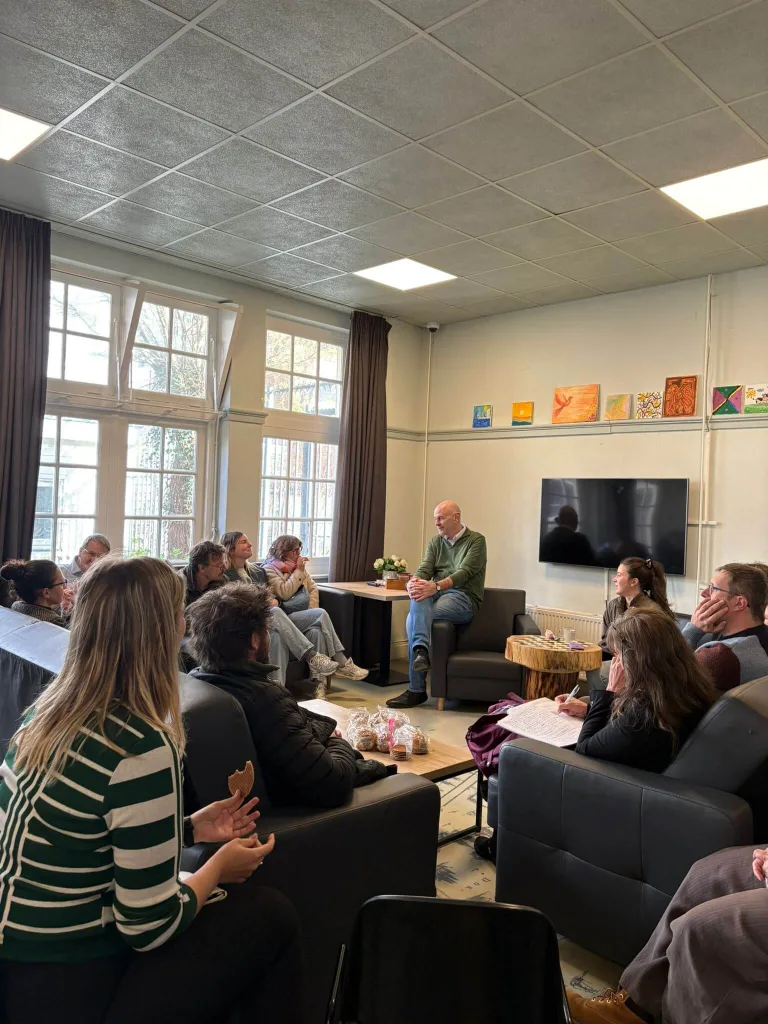
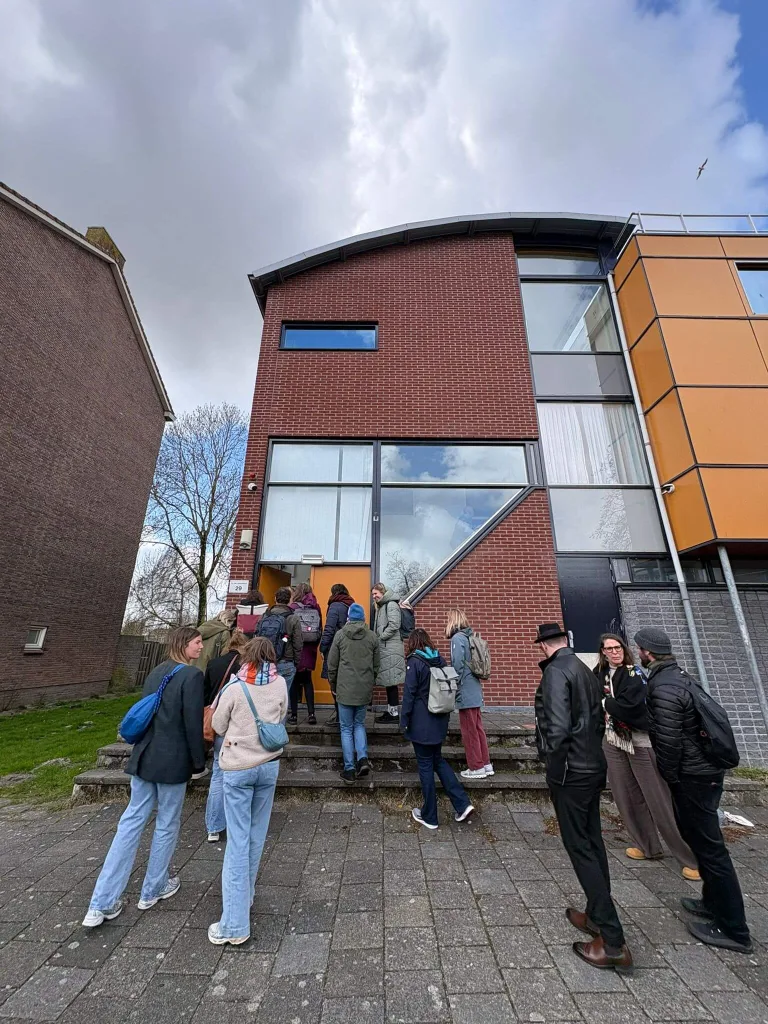
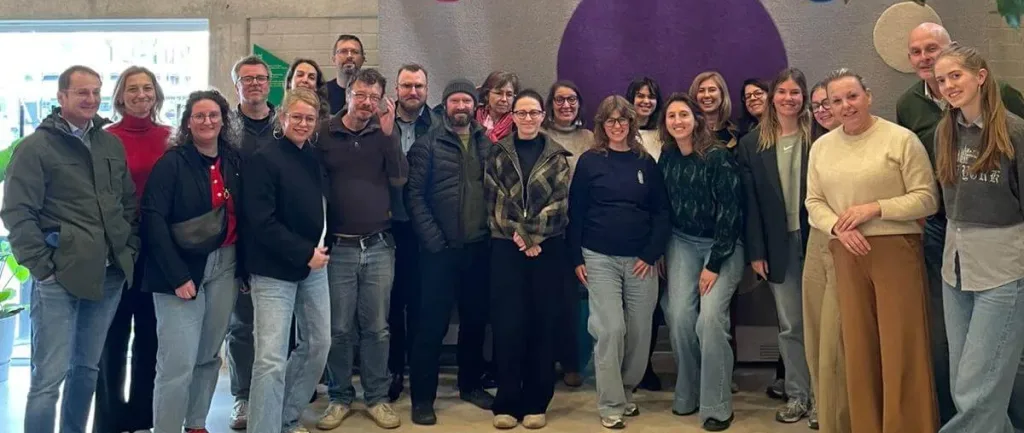
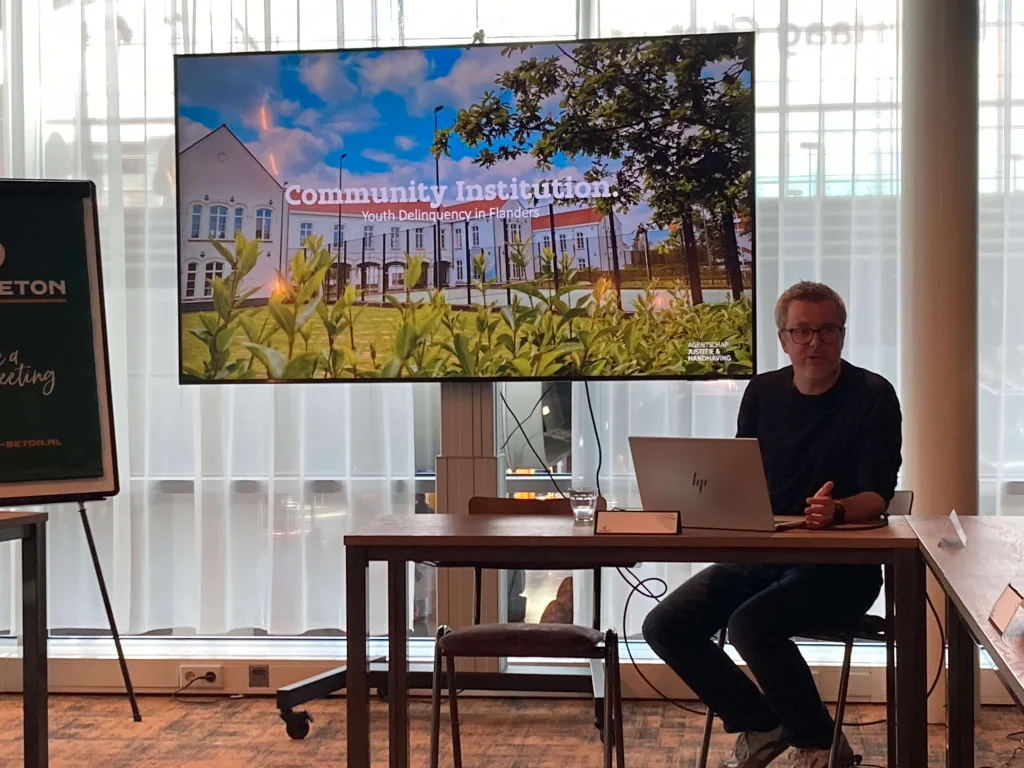
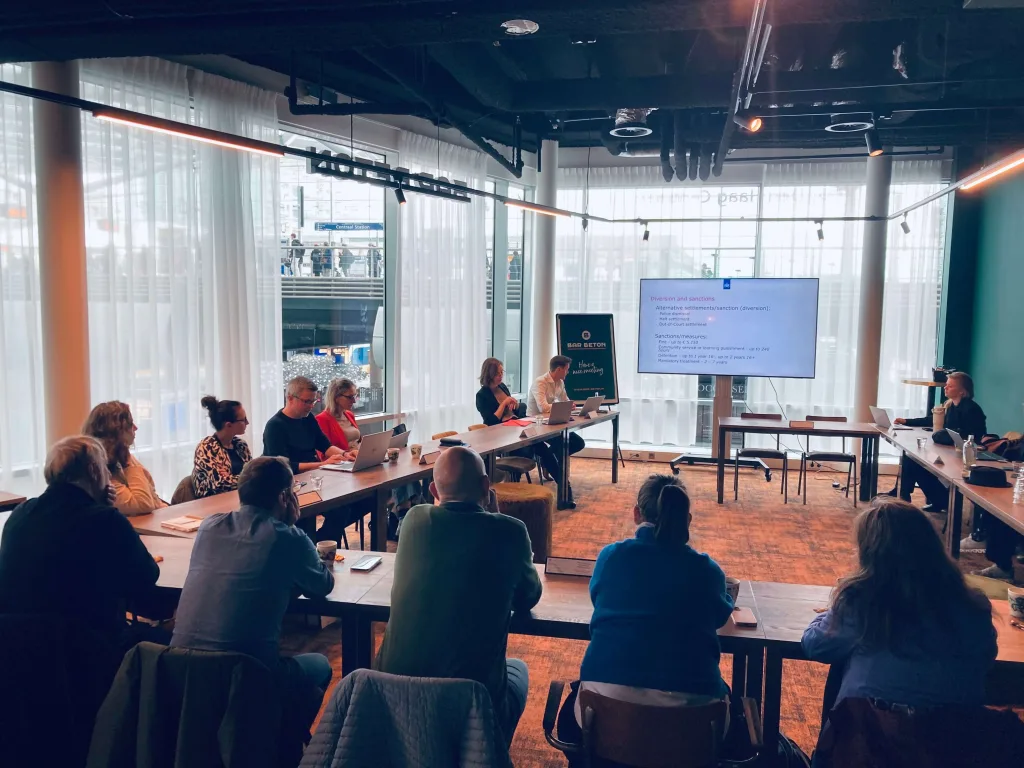
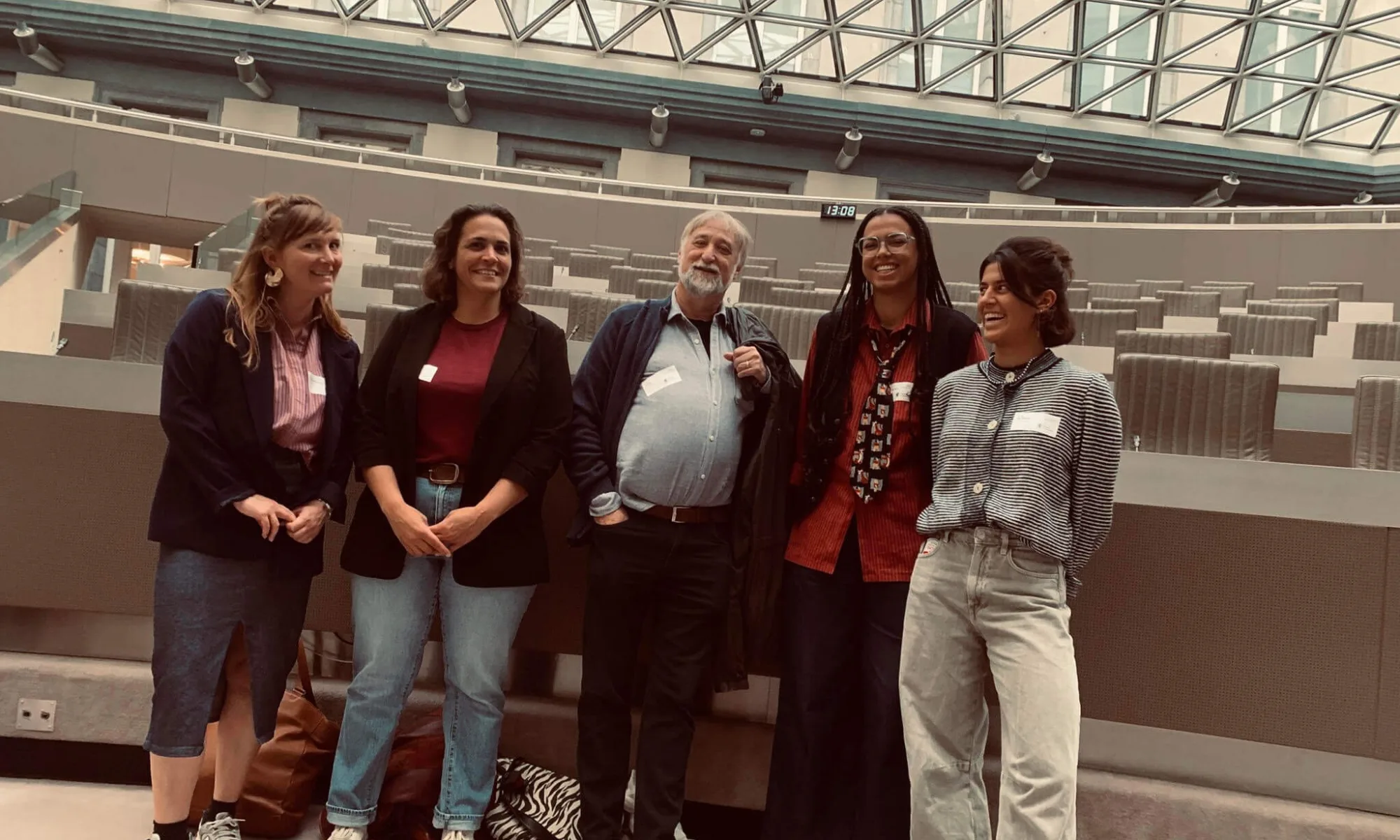
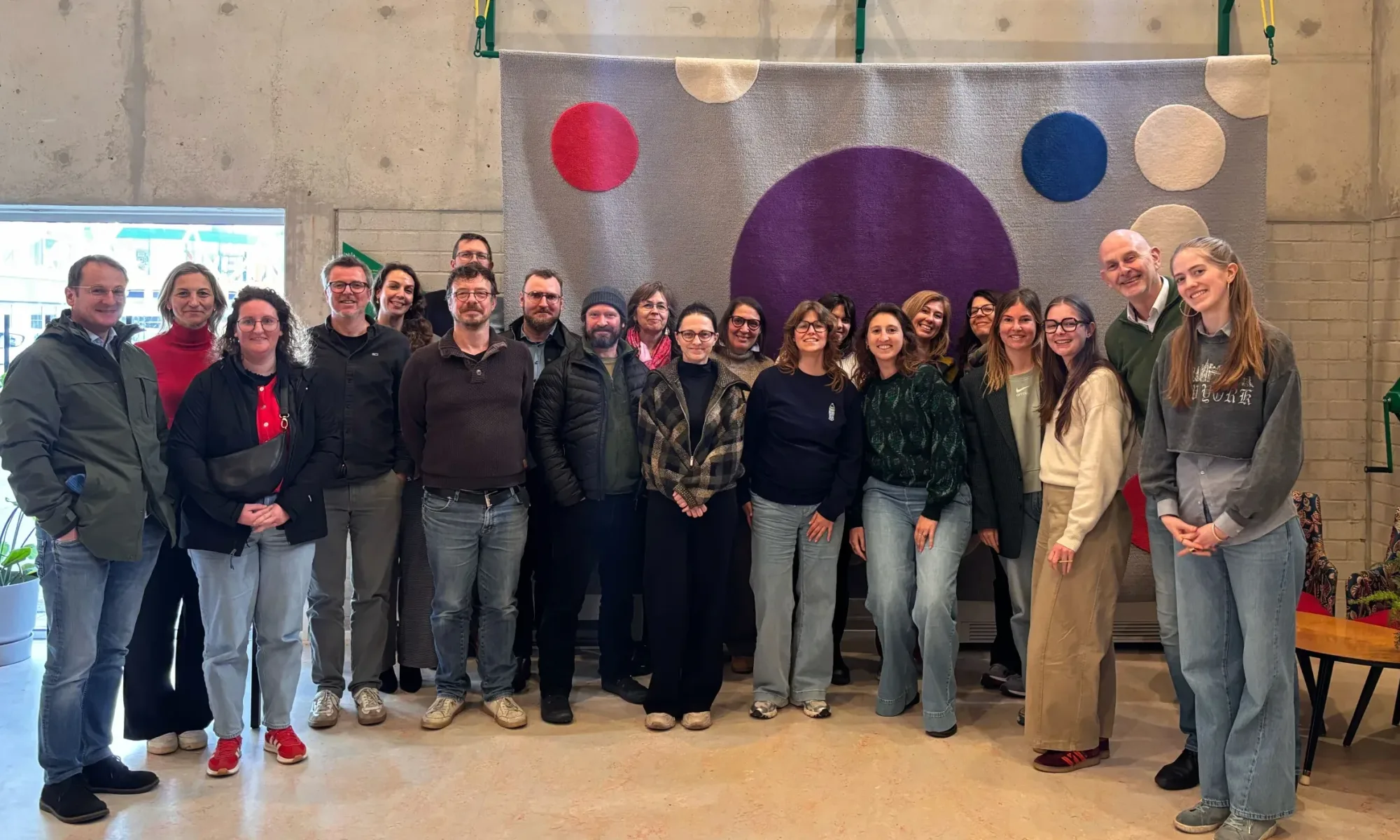
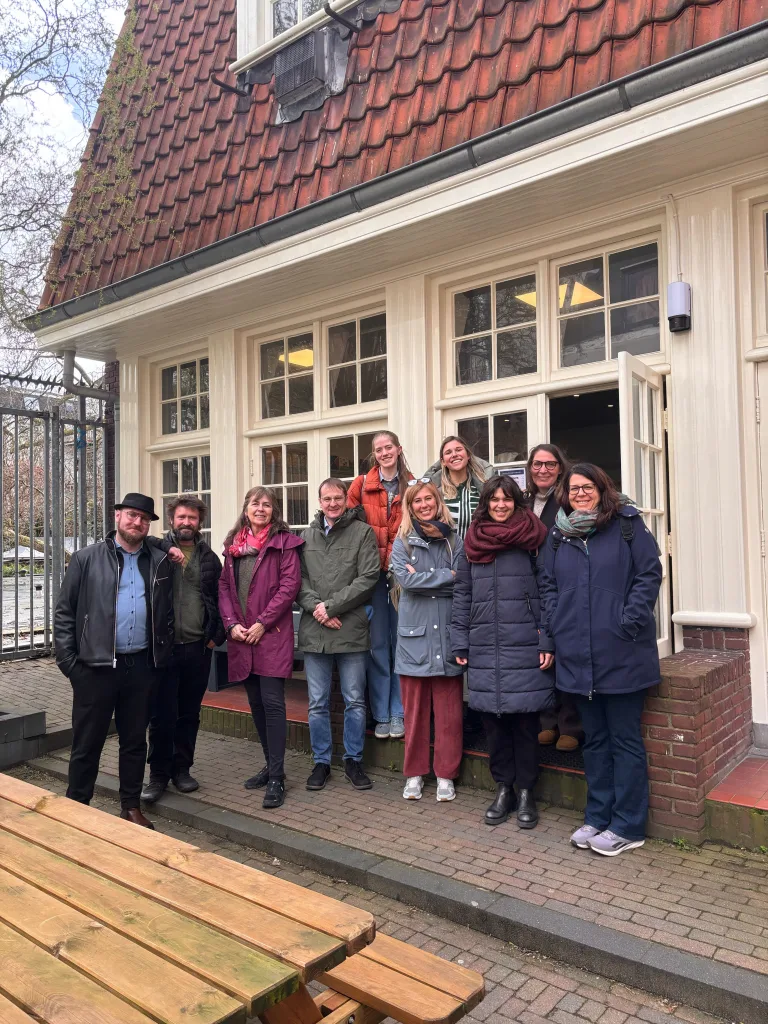
On the 30th and 31st of March, Richtungswechsel, Restorative Justice NL, and VZW De Huizen, as part of the BRIDGE project, had the opportunity to visit several inspirational practices for detention houses1 in the Netherlands – Exodus Amsterdam, KVJJ Amsterdam and KVJJ Rijnmond – as well as De Tafelberg, a unique communal living complex for young people in need. These visits provided the national delegations with valuable opportunities to learn from these inspirational practices that are actively reshaping approaches to youth justice and care.

Operating through action before legal frameworks catch up

In 2016, the Dutch Ministry of Justice and Safety introduced small-scale detention facilities (KVJJs) into its system, with the Amsterdam facility opening as a pilot project. Following an initial positive evaluation2, four additional KVJJs were established, including KVJJ Rijnmond in 2021.

Although the KVJJs are fully operational and financed by the ministry, they are not yet formally embedded within Dutch criminal law. KVJJs are currently too distinct from the traditional youth facilities (JJIs) and as a result, current legal structures provide limited space for direct inclusion of this model.

Efforts are ongoing to formally integrate these facilities into legislation, which would strengthen their long-term sustainability and secure funding structures. Yet, even without this legal foundation, the KVJJs continue to operate successfully. Alongside them, organisations such as Exodus have managed detention facilities under special measures for many years through civil society initiatives. 

Together, these examples demonstrate an important lesson: system change does not always need to wait for legal systems to evolve. Action can begin now, creating meaningful support and opportunities for incarcerated individuals while broader reforms continue to develop. 

Practicing relational security through trusting relationships

While Dutch prison authorities continue planning large-scale prison facilities, experiences from detention houses illustrate that security can also be built through relationships. Relational security, based on trust and meaningful connection, has proven to be a powerful approach in supporting young people in detention. 3

The KVJJs and Exodus Amsterdam work strongly from this relational approach, placing daily interaction between staff and residents at the heart of their practice. KVJJ Amsterdam offers a particularly inspirational practice of the use of relational security. When the facility opened, the location was required to have a time-out room where residents could go to calm down after conflicts. Yet staff quickly realised that the room was almost never used. Conflicts rarely escalated, and when tensions emerged staff chose to engage the residents in conversations aimed at understanding their underlying emotions and circumstances. Eventually, the unused time-out room was transformed into a music room.

What could have remained a space designed for separation and control became a space for creative expression; showing how a different way of working can reshape both spaces and relationships within them. 

Addressing the “Not In My Backyard” challenge

One of the most notable observations during the visits was how these organisations approached the NIMBY (Not In My Backyard) challenge. Communities often express concerns about detention houses being established within residential neighbourhoods, making community engagement an essential component of implementation and transformation. 

The organisations addressed this challenge through two key strategies: repurposing buildings with an existing history of social function and building strong, ongoing relationships with surrounding communities.

The Exodus Foundation, for example, provides a range of services including assisted living for (formerly) incarcerated individuals. The facility of Exodus in Amsterdam has undergone several transformations: originally functioning as a kindergarten, and later becoming a guided living and reintegration house in 1984, before being taken over by Exodus approximately 25 years ago.

Staff explained that this previous history of social use has significantly supported their work. The neighbourhood was already familiar with the building’s social purpose which reduced fear and possible resistance. For many residents in the area, the facility has become a normal part of the community.

This experience was shared at KVJJ Rijnmond, which previously operated as a youth care facility. The building’s history with housing vulnerable populations created familiarity among neighbours, contributing to a welcoming environment. Staff described strong relationships with the surrounding community, with very few complaints and, in some cases, active support from local neighbours.

Particularly noteworthy are the two residential apartments directly connected to the facility. The so-called “Good Neighbours” organise activities such as dinners or movie nights for the young residents. These initiatives create opportunities for normal social interactions and help the residents build meaningful connections beyond the boundaries of detention.  

Transforming prison buildings into places of opportunity

Transforming justice systems also requires rethinking the physical environments in which they operate. Buildings designed around control and confinement inevitably shape experiences and relationships. Creating more supportive systems therefore requires transforming the spaces themselves.

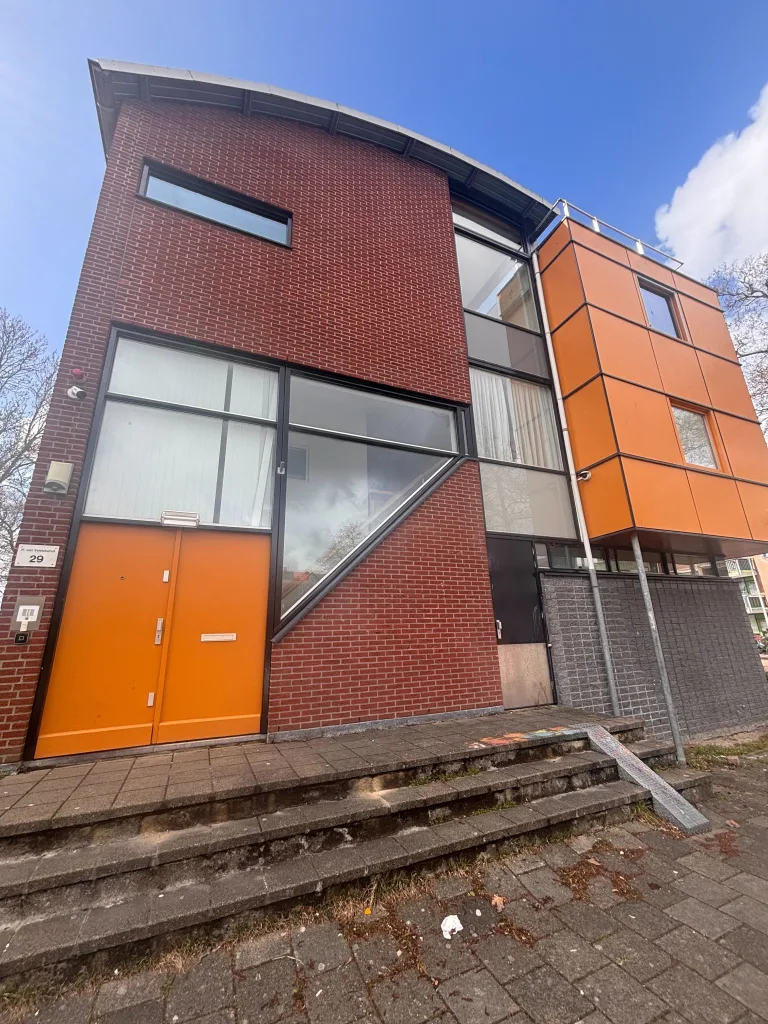
De Tafelberg offers a compelling example of such a transformation. Today, it functions as a communal living complex housing 290 young people in need. Yet its history reflects a very different reality.

For many years, the building operated as a youth prison. After its closure, it became a closed youth care institution but little changed beyond the name. The architecture remained largely untouched, and many practices continued to reflect a prison culture. Restrictive measures were justified as protection, yet over time it became increasingly evident that this form of closed care often created harmful and traumatic experiences for young residents. Following years of advocacy for reform in youth care, the facility was ultimately closed permanently. 

Rather than demolishing the building, Levvel, a youth care organisation, envisioned a different future and developed the concept of De Tafelberg. Importantly, young people themselves were involved in shaping that vision. Levvel consulted young people on what they wanted from the space, and their perspectives became central to their redesign process. For example, they highlighted the importance of autonomy. In response, alongside shared kitchens on each floor, every room was equipped with its own kitchen, allowing residents to decide whether they wanted company or privacy. Practical wishes, such as windows that could be opened and increased green spaces on the property, were also incorporated into the design.

The Tafelberg demonstrates that places once associated with punishment and control can be transformed into environments centred on support, autonomy, and community. 

Opportunities for change

Systemic change rarely happens overnight. It requires persistence, collaboration, and the willingness to imagine alternative futures. The initiatives and inspirational practices visited during the BRIDGE visit demonstrate that change is not only possible but already happening. These practices show that dedicated people and innovative ideas can create impactful alternatives to traditional systems. The foundations are already in place. What is needed now is stronger legal recognition, sustainable (financial) support, and continued collaboration to allow these practices not only to survive, but to flourish.

About the BRIDGE Project: BRIDGE is a one-year (oct 2025 – oct 2026) European collaboration led by RESCALED, together with Restorative Justice Nederland and Richtungswechsel Austria, supported by vzw De Huizen. The project explores detention houses for young adults aged 18–25, focusing on education, responsibility, growth and community integration.
Click here to learn more.

Co-funded by the European Union. Views and opinions expressed are however those of the author(s) only and do not necessarily reflect those of the European Union or the European Commission. Neither the European Union nor the European Commission can be held responsible for them.
Footnotes:

  1.  It is important to note that the practices shown here are considered inspirational because they materialize one or more principles of small-scale, differentiated and community-integrated detention houses. This also means that they do not all reflect a ‘perfect’ detention house. They have been compiled as examples to illustrate innovative and effective ideas that may be useful to consider when implementing a new detention house. It is therefore essential to consult the relevant accompanying information and/or the respective authorities if you wish to learn more about a specific facility
    ↩︎
  2.  The Dutch Scientific Research and Data Center (WODC) is currently conducting another research project into the effectiveness of KVJJs. The results are expected in late 2026. ↩︎
  3.  Although RESCALED focuses specifically on young adults in detention, the KVJJs are specifically aimed at both youngsters and young adults (aged 12 to 23) who have been sentenced under the juvenile justice system. Therefore, the article uses “young people” to capture both age groups accurately. ↩︎

Rethinking detention for young adults: reflections from Larvik

A visit to Sǿndre Vestfold fengsel, Larvik 

As part of the Erasmus+ BRIDGE project, we visited Søndre Vestfold fengsel in Larvik, Norway. Together with a Dutch radio journalist and a researcher, I spent several hours inside this small-scale prison for young adult men aged eighteen to twenty-five. Our host was Frode Svendsen, managing coordinator of the facility and someone with many years of experience working with young people in detention.

The BRIDGE project explores how detention for young adults can be organised in ways that are more responsive to this specific stage of life. Young adults in detention often face challenges linked to identity formation, education, mental wellbeing, social belonging and transition into adulthood. Large-scale prisons frequently struggle to respond adequately to these needs.

Within this context, discussions around detention houses become increasingly relevant. Detention houses are small-scale, differentiated and community-integrated. The emphasis is placed on relationships, guidance, participation and reintegration rather than isolation and institutional distance. They are based on the idea that detention should not unnecessarily disconnect people from society, particularly during this formative stage of life.

Søndre Vestfold fengsel, Larvik unit is not formally organised as a detention house. It remains a closed and relatively high-security prison setting. Yet the visit demonstrated how the three core principles of detention houses can also be applied within high-security detention facilities. 

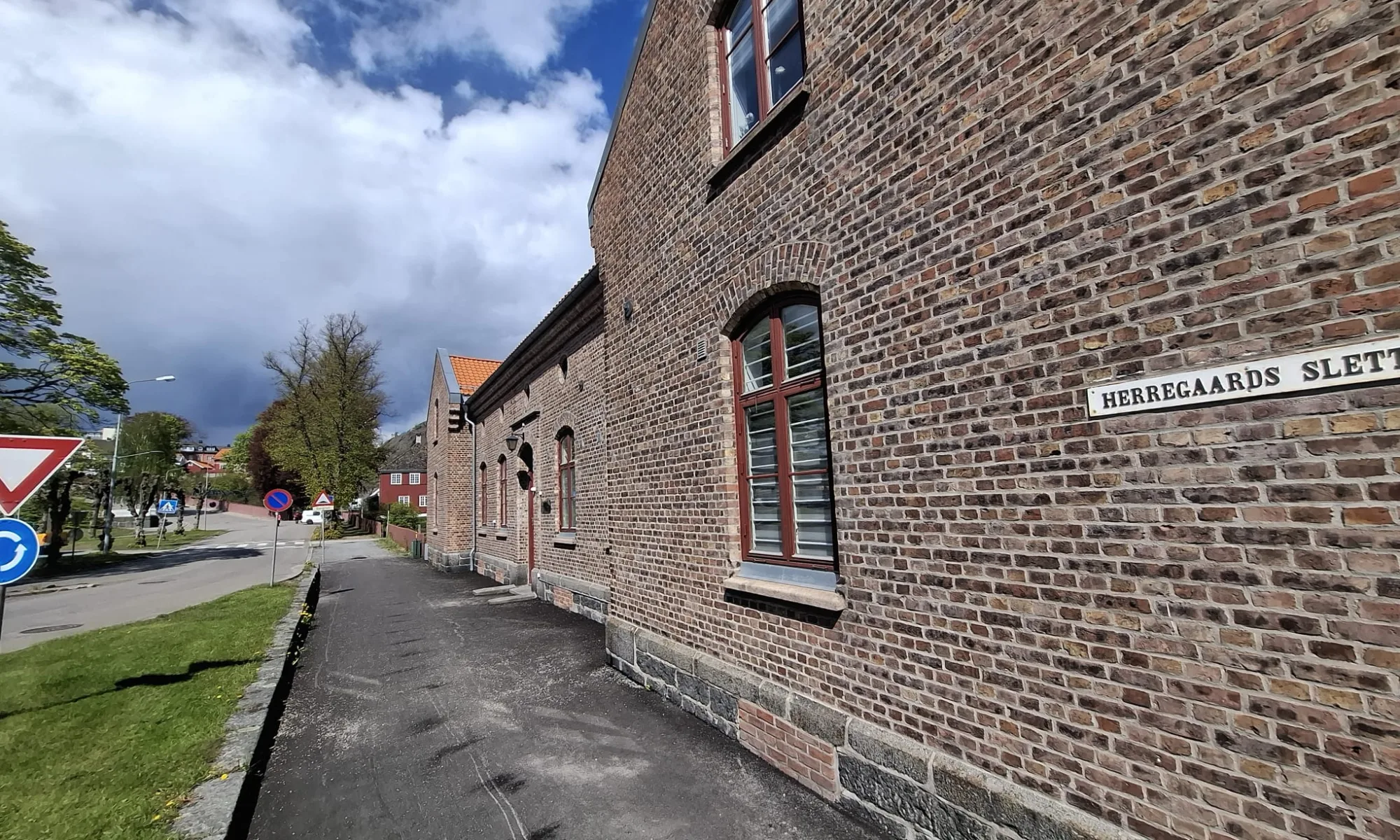
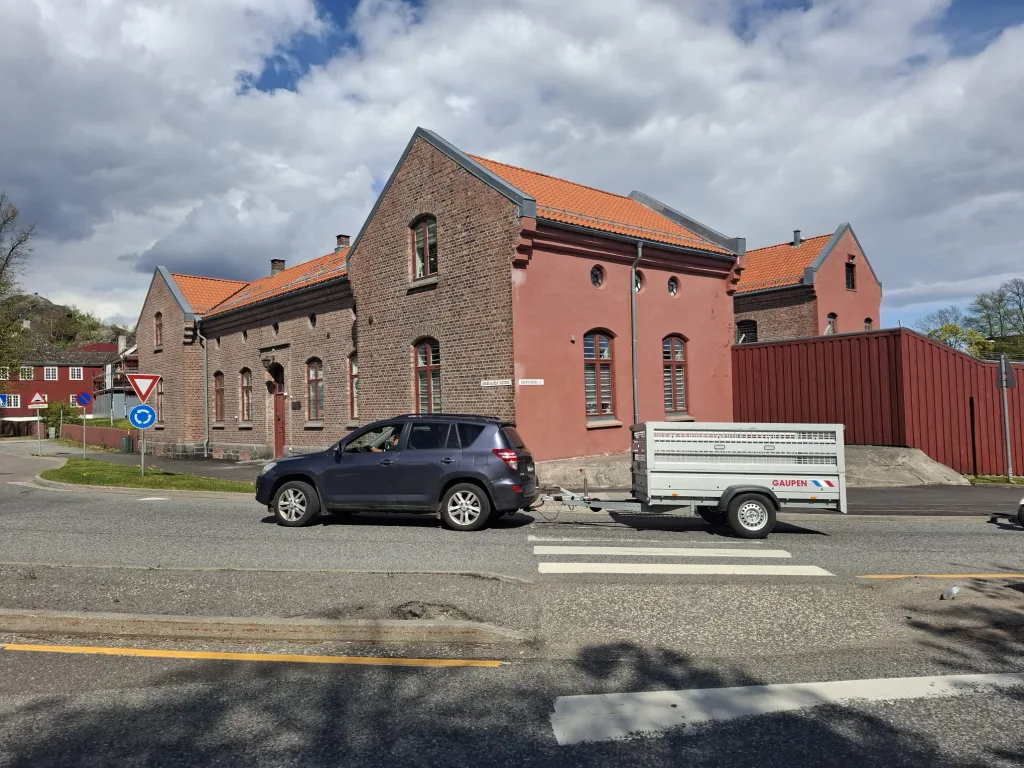
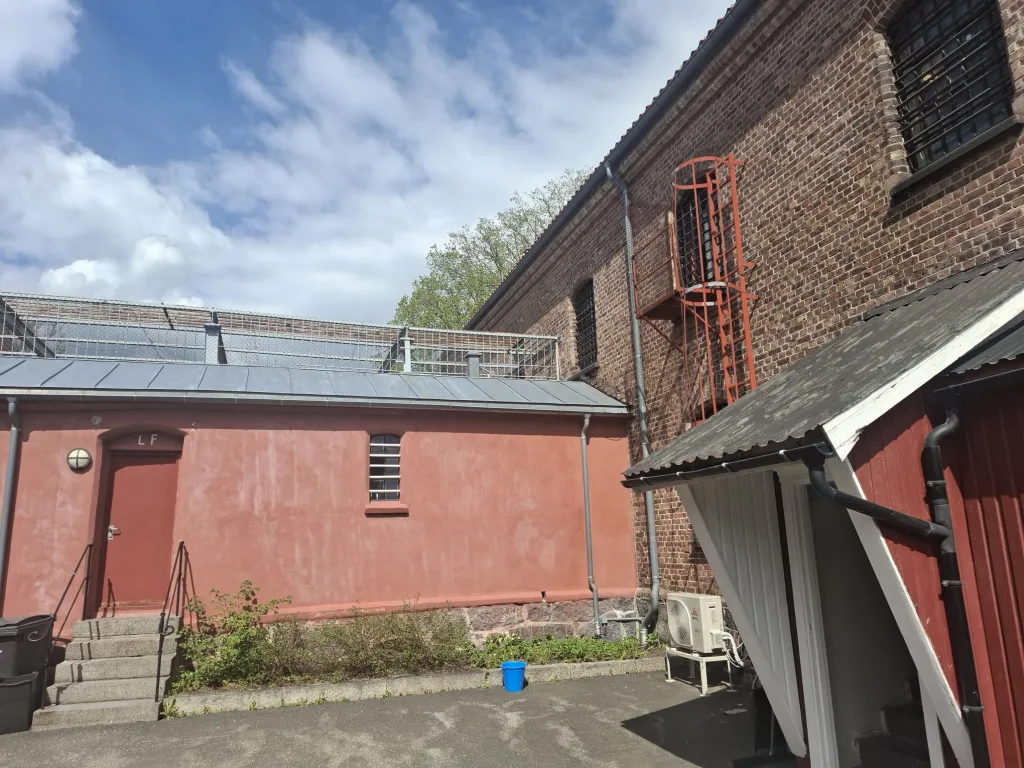
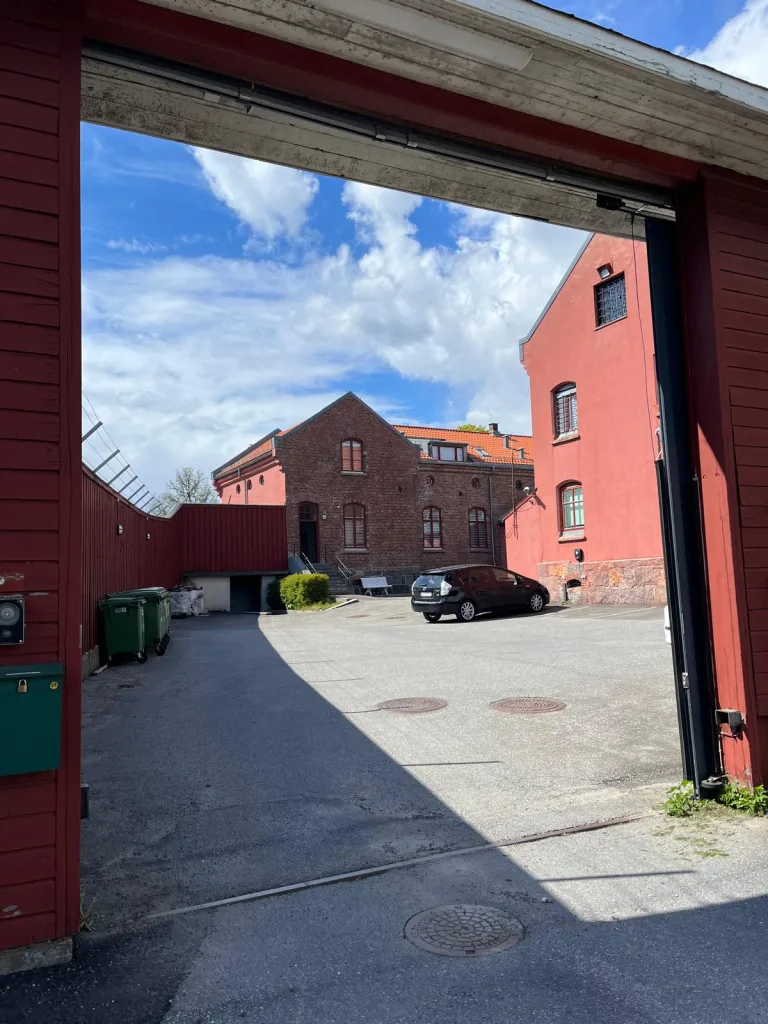
Larvik accommodates a maximum of fifteen young adults and is located close to the centre of the city. At the time of our visit, the average age was 21.3 years. The prison building itself dates back to 1862 and still reflects the architecture of a traditional prison. The robust but refurbished cells and classical gangways clearly belong to another era. Nevertheless, the atmosphere and daily practice inside the unit differ considerably from what one would usually associate with a traditional high-security prison. 

The approach inside the prison is strongly relationship-based. Each young person is supported individually by a contact officer and daily interaction between staff and residents is characterised by proximity, communication and trust. Some staff members wear uniforms, while others do not, but the overall atmosphere remains informal and communicative. During our visit, it became clear that relational security is not seen as separate from safety, but as an essential part of it.

During the visit, an interesting discussion emerged around the question of whether Larvik could be described as a detention house. Because of its closed character and relatively strict security framework, we would rather describe it as a small-scale prison. At the same time, several aspects of the daily practice strongly resonate with principles often associated with detention houses: the small scale, the relational approach, the individual support structure and the continued emphasis on participation and community connection.

We met two of the fifteen young men residing in the prison, they both spoke positively about the staff, the atmosphere and the opportunities available to them. Young men can spend between ten and twelve hours outside their cells each day. After lunch, they briefly return to their rooms for around fifteen minutes without being locked in. This moment is deliberately organised to create some rest and distance from continuous group interaction and stimulation.

Many daily activities take place in a communal living area in the annex building. Access to this space is organised together with staff members, reinforcing the importance of interaction and guidance in the daily regime. There is also a well-equipped kitchen where one of the staff members, who is also a teacher, regularly cooks together with the young men.

Education and daily activities are an important part of the regime. Most young men attend school activities inside the prison and some participate in higher education. Other activities include stress and anger management, group meetings and physical exercise.

Like many detention settings across Europe, Larvik has also seen increasing challenges related to trauma, mental health and psychological vulnerability among young people in detention. The small scale of the prison and the one-to-one approach appear to create more room for individual responsiveness and adaptation to these changing needs.

An interesting example is the toolbox “Play it Right”, originally developed for work with sex offenders but now used more broadly to create conversations around gender equality, sexuality and sexual development. Norway’s “import model” also means that healthcare and psychological services are delivered by external services rather than by the prison administration itself.

What stood out most during the visit was the continued connection with the outside community. Some young men are allowed to participate in sports and leisure activities outside the prison together with their contact officer. There are also interactions with local volunteers and opportunities for young men to contribute to community initiatives.

These practices may appear modest, but they reflect a broader understanding of detention: one in which security and community connection are not necessarily opposites. Particularly for young adults, maintaining links with society can play an important role in supporting development and preventing further social exclusion.

The visit to Larvik does not provide a perfect blueprint, nor does it eliminate the tensions that exist within secure detention. However, it does demonstrate how small-scale approaches, relational practices and community connection can create a different experience of detention for young adults.

Even within a high-security detention facility, Larvik demonstrates how detention can be organised around relationships, responsibility and continued connection with society. It raises an important question for European detention systems: not only how young adults are detained, but what detention should ultimately achieve during this formative stage of life.

About the BRIDGE Project: BRIDGE is a one-year (oct 2025 – oct 2026) European collaboration led by RESCALED, together with Restorative Justice Nederland and Richtungswechsel Austria, supported by vzw De Huizen. The project explores detention houses for young adults aged 18–25, focusing on education, responsibility, growth and community integration.
Click here to learn more.

Co-funded by the European Union. Views and opinions expressed are however those of the author(s) only and do not necessarily reflect those of the European Union or the European Commission. Neither the European Union nor the European Commission can be held responsible for them.
Rethinking Justice for Young Adults

Across Europe, justice systems are reevaluating their approach to addressing young adults who come into conflict with the law. For those aged eighteen to twenty-five, this period represents a crucial stage of transition from dependence to autonomy, from impulsivity to reflection, from isolation to belonging. Yet traditional custodial institutions, designed primarily for control, often interrupt this process. Instead of promoting responsibility and reintegration, they can deepen exclusion, making the return to community life more difficult.1

A new vision is taking hold. Governments, researchers, and practitioners are moving away from large, punitive structures toward smaller, community-based environments built on education, trust, and participation. This emerging approach recognises that societies grow safer not through isolation, but through connection.2

The “Missing Middle”: Young Adults Between Systems

A persistent challenge across European justice systems is the so-called “missing middle”, those aged eighteen to twenty-five who are too old for juvenile measures yet not fully matured adults.

In Austria, the Jugendgerichtsgesetz (§§35–36) separates minors from adults, but many under twenty-two are still held in adult facilities.3 The Netherlands recognises that emotional and cognitive development continues into the mid-twenties; Articles 77h–77hh of its Criminal Code allow youth measures up to age twenty-three, contributing to a significant decline in detention rates.4 Switzerland applies a similar principle under Article 61 of its Criminal Code, enabling young adults to join educational and therapeutic programmes such as the Établissement des Léchaires, where growth and guidance replace control.5

In Belgium, the legal framework already provides for an extended approach toward young adults. Under the current law, individuals who committed an offence before the age of eighteen can remain in community institutions that traditionally serve minors until the age of twenty-five. These institutions, governed by the Juvenile Delinquency Decree, combine varying levels of security with strong educational and therapeutic support.6 In addition, the 2025 coalition agreement signals a political intention to adapt the system further. It explicitly states that Belgium aims to develop detention houses for specific target groups, including young adults. While this commitment has not yet been translated into concrete implementation, it indicates a clear policy direction toward more differentiated forms of detention.

By contrast, reforms such as Italy’s 2023 Caivano Decree, which expanded pre-trial confinement for young people, risk reinforcing outdated, punitive reflexes and overcrowded conditions.7 Across Europe, the difference between progress and regression is increasingly clear: one path invests in responsibility and belonging; the other perpetuates control and disconnection.

Why Focus on 18–25: The BRIDGE Perspective

The BRIDGE project, Building Responsibility & Inclusion through Detention houses for youngsters to support growth and education, places the eighteen-to-twenty-five age group at the heart of its mission. This stage of life is a turning point: the development of self-identity, decision-making, and social belonging is still underway. Yet justice systems often treat young adults as if they were fully mature, exposing them to environments that suppress development rather than support it.

BRIDGE proposes a different approach to small-scale, community-linked living environments that promote education, autonomy, and dignity. These are safe places where young adults can learn to take responsibility, build meaningful relationships, and develop the skills necessary for independent living. 

Building on this foundation, Belgium’s loopplankhuizen (“bridge houses”) proposal provides an innovative framework for young adults aged eighteen to twenty-five who struggle to find a place within existing systems.8 Developed by vzw De Huizen, this initiative is designed as a literal and symbolic bridge a path between custody and full social participation. Grounded in the principles of small-scale, differentiation, and community integration, bridge houses reflect the same philosophy that guides BRIDGE.

Each house would accommodate no more than seven to ten residents, creating a small-scale environment where communication, autonomy, and responsibility can grow. Within these small groups, young adults also participate in daily collective processes, learning from one another, building social relationships, and taking shared responsibility for everyday activities.9 Support is personal and holistic: every young adult co-creates a “solution plan” to guide their path toward independence. The houses are also embedded within local communities, allowing residents to participate in nearby educational, employment, and volunteering opportunities. In essence, the facility becomes a bridge, increasing autonomy and promoting participation at a level suited to each young person and their circumstances, rather than excluding them from society.

Learning from Inspirational Facilities Across Europe

Across Europe, only a few facilities focus exclusively on young adults. One notable example is the Søndre Vestfold fengsel, Larvik Unit in Norway, which is specifically designed for individuals aged eighteen to twenty-five.10 Guided by the proximity principle, the unit places relationships at the centre of daily life. The correctional officers that work there, work without uniforms, and high staff-to-resident ratios enable personal follow-up and tailored guidance. Education, outdoor activities, and community volunteering are part of everyday life.11

Beyond such rare examples, several facilities across Europe embody similar values even though they primarily serve minors. Depending on national legislation, some of these institutions can extend their approach to young adults up to the age of eighteen to twenty-five. Even though the legal frameworks differ, as these facilities often fall under youth or minor legislation, the way they operate remains highly inspiring for how detention houses for young adults could and should function.

Seehaus Leonberg in Germany operates as a “school of life” for young men aged fourteen to twenty-three, built around a strong family-like atmosphere. The young people live in small “families” on the Seehaus estate, where everyday life is shaped by shared routines, mutual support, and a positive group culture. A tiered system further supports development by rewarding progress with increased responsibilities and opportunities.12 The Netherlands’ Small-Scale Judicial Youth Facilities (KVJJ) on the other hand maintain close ties to family, school, and community, ensuring that young people remain connected to ordinary life while in detention.13

These examples show that transformation is not merely theoretical but already happening. Across different systems, the most effective approaches share a common foundation rooted in proximity, dignity, and constructive human connection. Where large institutions isolate, small-scale environments empower; where rigid control suppresses growth, supportive structure enables it. This shift is evident not only in how we see and treat young adults in detention, but also in how we design the facilities and systems that shape their everyday lives.

Still, disparities remain. In some countries, young adults continue to be placed in adult prisons with limited access to education, psychosocial support, or meaningful work. Overcrowding, staff shortages, and rigid hierarchies continue to undermine reform. Yet evidence from Norway, Belgium, the Netherlands, and Germany consistently shows that smaller, relationship-based environments achieve better results in reducing reoffending, improving well-being, and strengthening communities.

A new path forward for young adults

Europe’s justice systems are gradually converging around a shared understanding: safety and stability are built on dignity and support, not repression. The future of detention lies not in expanding institutions or tightening control, but in creating environments that encourages dignity and a sense of belonging.

The future of justice for young adults will be built on bridges—bridges that connect individuals to community, learning, and responsibility; bridges that lead away from exclusion and toward a life of inclusion and belonging.

  1. World Prison Brief. (2025). Country Profiles. https://www.prisonstudies.org/ ↩︎
  2.  Butts, J. A., Mears, D. P., Justice Policy Center, & The Urban Institute. (2001). Reviving Juvenile Justice in a Get-Tough Era. Youth and Society, 33(2), 169–198. ↩︎
  3.  Austrian Ministry of Justice. (2024). Jugendgerichtsgesetz (JGG) §§35–36. https://www.justiz.gv.at/ ↩︎
  4.  Dutch Ministry of Justice. (2024). Criminal Code Articles 77h–77hh. https://wetten.overheid.nl/ ↩︎
  5.  Swiss Federal Office of Justice. (2023). Criminal Code Article 61. https://www.skjv.ch/ ↩︎
  6.  Aidealajeunesse. (2023). Les Institutions Publiques de Protection de la Jeunesse (IPPJ). https://www.aidealajeunesse.cfwb.be/ ↩︎
  7.  Antigone. (2024). One Year After the Caivano Decree: Dossier ENG. https://www.antigone.it/upload/Dossier_Caivano_(ENG).pdf  ↩︎
  8.  De Huizen. (2019). Aanbevelingennota voor kwalitatieve en succesvolle loopplankhuizen. https://www.dehuizen.be/media/aanbevelingsnota-loopplankhuizen_03102019_web.pdf ↩︎
  9.  ibid ↩︎
  10.  Norwegian Correctional Service. (2025). Youth Punishment Act and KRUS Academy. https://kommunikasjon.ntb.no/ ↩︎
  11.  Antonsen, K., & Sandvold, F. W. (2022). Punishment That Makes a Difference? RESCALED Principles Practiced in Norwegian Prisons. RESCALED Norway. ↩︎
  12.  Seehaus Foundation. (2024). Seehaus Leonberg Youth Project. https://seehaus-ev.de/arbeitsbereiche/seehaus-leonberg/ ↩︎
  13.  Dutch Ministry of Justice. (2024). Small-Scale Judicial Youth Facilities (KVJJ).. https://www.rijksoverheid.nl/ ↩︎